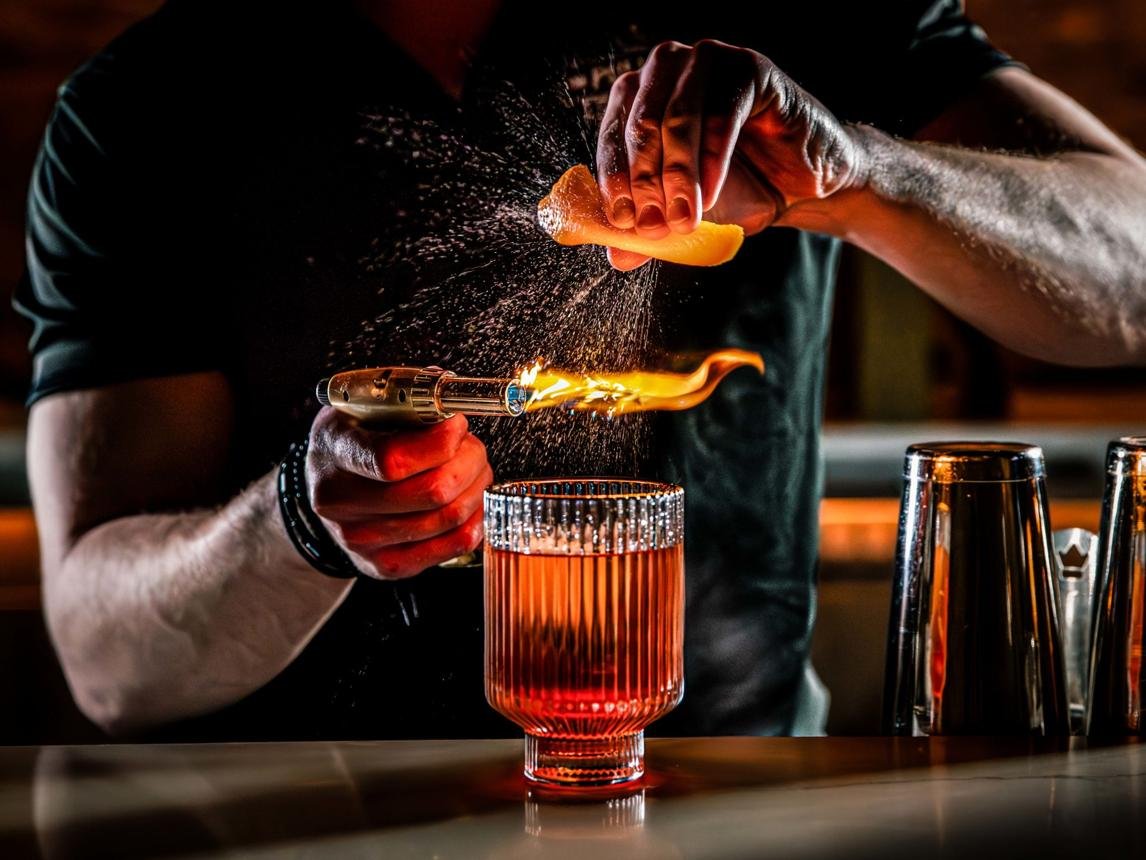
Turning Knowledge into Consistency Behind the Bar

Knowledge in mixology is only as valuable as its execution. At the expert level, success is not defined by a single exceptional cocktail, but by the ability to reproduce that level of quality consistently, under pressure, and across service environments.

Consistency is what separates skilled bartenders from true professionals. It is the bridge between understanding and mastery.
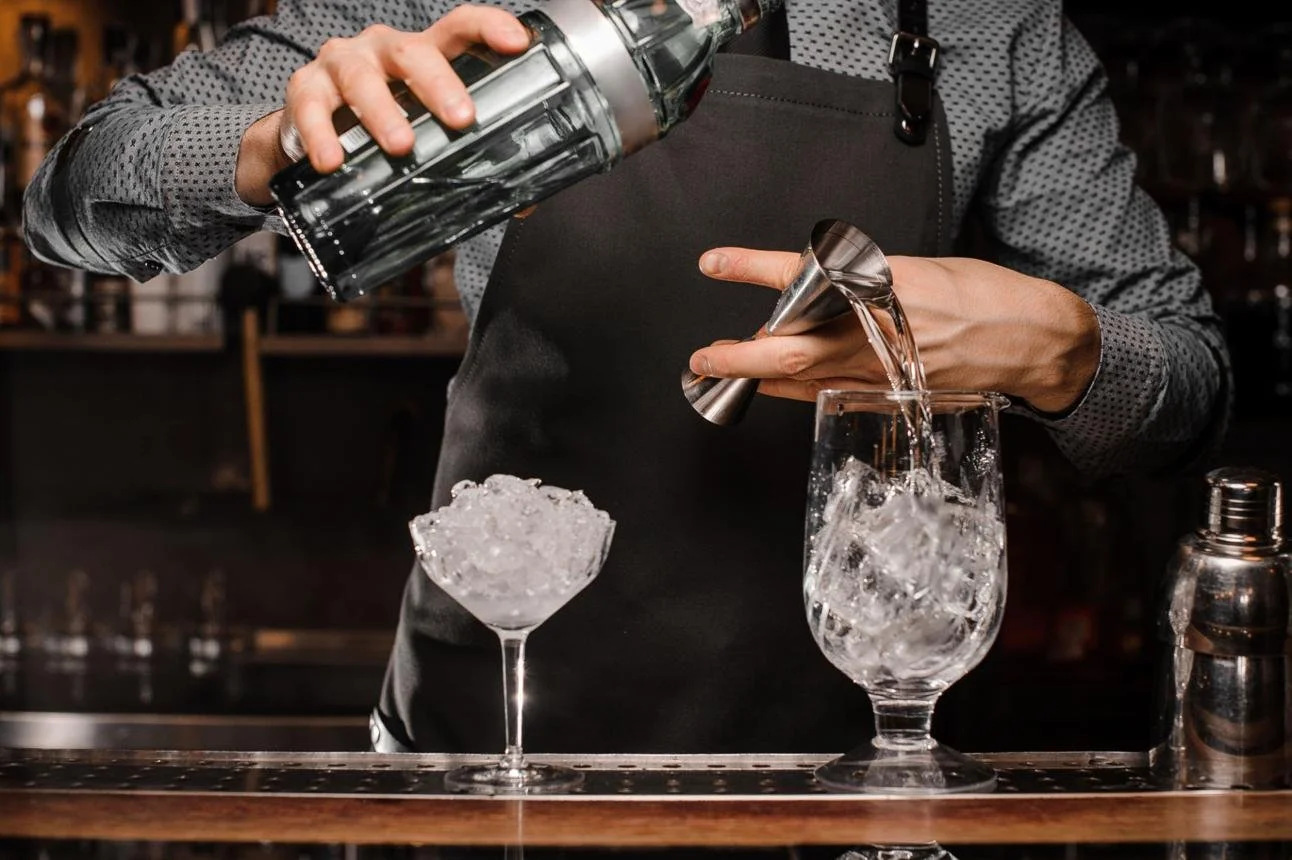
From Knowledge to Execution

Understanding spirits, balance, and technique is essential, but without consistent execution, that knowledge remains theoretical. Behind the bar, every decision must translate into repeatable action.

This means applying knowledge with precision, timing, and discipline, regardless of volume or environment.

The Role of Systems and Structure

Consistency is built on systems. Expert bartenders rely on structured processes that ensure every drink meets the same standard.

Key elements include:

  • Standardized recipes and measurements

  • Consistent glassware and presentation

  • Defined build and mixing techniques

  • Controlled dilution and temperature management

These systems remove variability and create a reliable foundation for performance.

The Importance of Repetition

Repetition is the mechanism through which consistency is developed. It transforms technique into instinct and reduces the margin for error.

Through repetition, bartenders achieve:

  • Muscle memory in pouring and measuring

  • Speed without sacrificing accuracy

  • Confidence during high-volume service

  • Greater focus on guest interaction

Consistency is not about rigidity. It is about reliability under any condition.

Mise en Place and Preparation

Preparation is a critical component of consistent performance. A well-organized bar station allows for efficient and accurate execution.

Essential practices include:

  • Pre-measuring or preparing key ingredients

  • Maintaining a clean and structured workspace

  • Ensuring tools are consistently placed and accessible

  • Anticipating service flow and demand

A disciplined setup minimizes mistakes and supports smooth service.

Managing Variability

Even with strong systems, variables such as ice quality, ingredient freshness, and environment can impact a cocktail. Expert bartenders recognize and adjust for these factors in real time.

This includes:

  • Adjusting dilution based on ice density

  • Balancing acidity with fresh citrus variations

  • Maintaining consistency across different shifts or team members

The ability to adapt while maintaining standards is a hallmark of expertise.

Team Consistency and Standards

In a professional setting, consistency must extend beyond the individual. It becomes a collective standard upheld by the entire team.

This requires:

  • Clear training protocols

  • Documented recipes and procedures

  • Regular calibration and feedback

  • Alignment on presentation and service expectations

A consistent bar program ensures that every guest receives the same experience, regardless of who is behind the bar.

Confidence Through Consistency

Consistency builds confidence, both for the bartender and the guest.

For the bartender, it creates trust in their own process and ability. For the guest, it establishes reliability and reinforces the quality of the establishment.

Over time, this consistency becomes part of the brand identity and professional reputation.


Turning knowledge into consistency is what defines mastery in mixology. It requires discipline, repetition, and structured systems that translate understanding into reliable execution.

The most respected professionals are not those who create great drinks occasionally, but those who deliver excellence every time.
Menu Engineering for Flavor Flow and Guest Experience

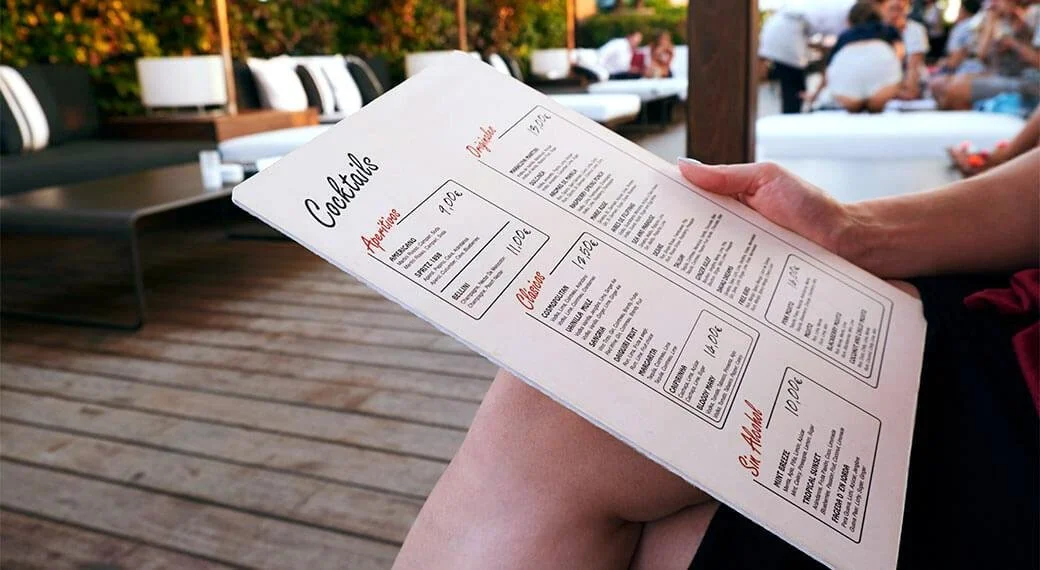
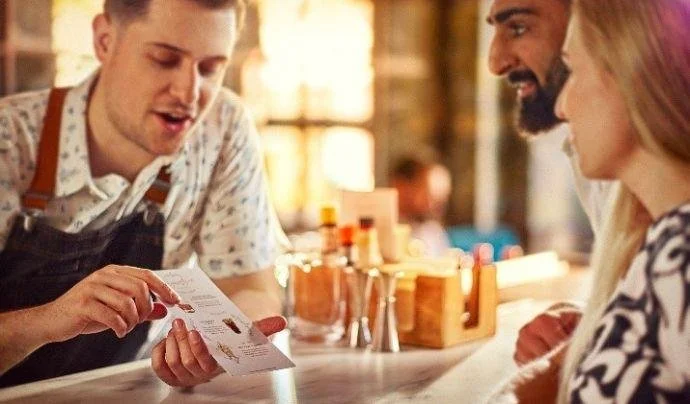
A cocktail menu is not simply a list of drinks. It is a curated journey, a strategic narrative, and a psychological tool that guides guest decisions while reinforcing brand identity. At the highest level of mixology, menu engineering becomes an exercise in flavor orchestration and experiential design, ensuring that each selection contributes to a cohesive and memorable guest experience.

In elite bar programs, menus are designed not just to sell drinks, but to control flow, pacing, and perception.


The Architecture of Flavor Flow

Flavor flow refers to the intentional sequencing of cocktails across a menu to guide the guest from lighter, more accessible profiles to deeper, more complex expressions.

Core Progression Model:

  • Bright and Refreshing

  • Fruity and Aromatic

  • Balanced and Spirit-Forward

  • Rich and Decadent

This progression mirrors both palate fatigue and guest psychology. Early in the experience, guests gravitate toward lighter, more refreshing drinks. As the experience unfolds, they become more receptive to intensity, bitterness, and spirit-forward complexity.

A well-engineered menu subtly encourages this journey without making it feel prescriptive.


Section Design: Creating Navigational Clarity

Menus should be structured into clearly defined sections that communicate both flavor profile and experience level.

Common Section Strategies:

  • By Flavor Profile: Citrus Forward, Herbal and Botanical, Spirit-Driven, Dessert-Style

  • By Base Spirit: Whiskey, Gin, Rum, Agave, etc.

  • By Experience: Light and Sessionable, Bold and Complex, Experimental

The most effective menus often blend these approaches, using flavor as the primary guide while subtly reinforcing spirit categories.

Clarity reduces decision fatigue. When guests understand where they are within the menu, they order with greater confidence.


Strategic Placement and the Psychology of Choice

Menu engineering is deeply tied to behavioral psychology.

Guests do not read menus linearly. Their eyes are drawn to specific areas, often referred to as “sweet spots,” where high-margin or signature cocktails should be placed.

Key Psychological Principles:

  • Top Right Dominance: One of the most viewed areas on a menu

  • Anchoring: Placing a high-priced item to make others feel more accessible

  • Decoy Effect: Offering a slightly less appealing option to guide choices

Strategic placement ensures that both guest satisfaction and profitability are optimized without compromising integrity.


Descriptive Language and Sensory Framing

Language is one of the most powerful tools in menu design. The way a cocktail is described directly influences how it is perceived before it is even tasted.

Effective Description Techniques:

  • Flavor Cues: Highlight dominant and secondary notes

  • Texture Indicators: Silky, crisp, velvety, structured

  • Aromatic Signals: Citrus oils, herbal lift, spiced finish

Avoid overly technical language. Instead, translate complexity into sensory-driven storytelling that is accessible yet refined.

For example, instead of listing ingredients alone, frame the experience:
“A rich, spirit-forward composition layered with baking spice, dried fruit, and a long, warming finish.”


Pacing the Guest Experience

A well-designed menu anticipates not just what a guest will order, but how many drinks they will have and in what sequence.

Designing for Multiple Rounds:

  • First Drink: Approachable and refreshing

  • Second Drink: More expressive and balanced

  • Third Drink: Spirit-forward or adventurous

By structuring the menu to support this progression, bars can naturally increase check averages while enhancing guest satisfaction.

Menus should also allow for branching paths, enabling guests to explore within a flavor category or move across categories as their palate evolves.


Visual Design as a Functional Tool

Visual design is not purely aesthetic. It is functional.

Typography, spacing, and layout all influence readability and decision-making speed.

Design Considerations:

  • Typography Hierarchy: Clear distinction between cocktail names and descriptions

  • Whitespace: Prevents cognitive overload

  • Iconography: Quick visual cues for flavor or strength

  • Consistency: Reinforces brand identity

A cluttered menu creates hesitation. A refined menu creates confidence.


Signature Cocktails as Anchors

Every elite menu should feature a set of signature cocktails that define the bar’s identity.

These drinks serve as anchors, guiding guests toward the intended experience while showcasing the bar’s technical and creative strengths.

Signature cocktails should be:

  • Distinctive in flavor and presentation

  • Strategically placed in high-visibility areas

  • Representative of the brand’s philosophy

They are not just offerings. They are statements.


Balancing Creativity and Accessibility

One of the greatest challenges in menu engineering is balancing innovation with approachability.

A menu that is too experimental risks alienating guests. A menu that is too safe risks being forgettable.

The solution lies in layered accessibility:

  • Familiar formats with unexpected twists

  • Recognizable flavors presented in new ways

  • Clear descriptions that reduce perceived risk

This balance ensures that both novice and experienced guests find value in the menu.


Conclusion: Engineering Experience Through Design

Menu engineering at the highest level is an exercise in intentionality. Every element, from flavor progression to typography, contributes to a unified guest experience.

When executed correctly, a menu does more than present options. It guides behavior, enhances perception, and elevates the entire bar program.

In the world of Mixology Elite, the menu is not secondary to the cocktail. It is the framework through which the cocktail is understood, selected, and ultimately remembered.

Passport to Flavor Showcase Winner Announced: Steven Cartagena Takes First Place with “Enchanted Gold”

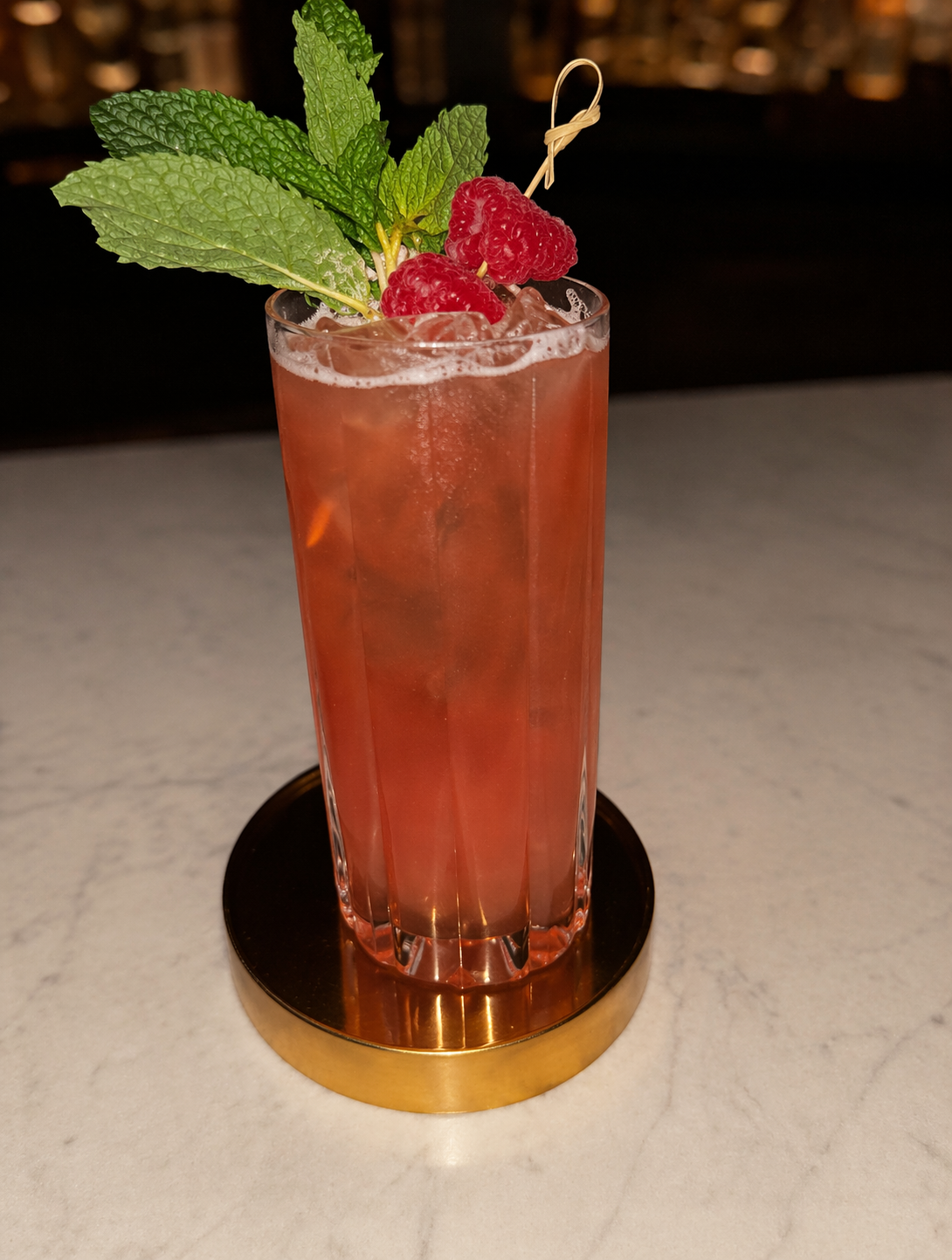
The results are officially in for the Passport to Flavor Showcase, and after a highly competitive field of creative cocktail submissions, we are proud to announce that Steven Cartagena has been selected as this year’s winner with his stunning cocktail creation, Enchanted Gold.

We would also like to extend our sincere apologies for the delay in announcing the final results. During the voting process, we encountered a technical issue involving the vote counting system that required a complete manual review to ensure the integrity and accuracy of the final standings. After carefully sorting through the results, Steven Cartagena emerged as the official winner.

First Place: “Enchanted Gold” by Steven Cartagena


Inspired by his Colombian heritage and Miami upbringing, Steven created a cocktail designed to represent culture, identity, and pride through flavor and presentation.

According to Steven:

“I’m originally from Miami but my background is from Colombia. I really wanted to bring a Colombian Hispanic taste to represent my roots. The mint represents the Amazon rainforest and the vegetation of green, while the gold flakes represent the gold and the yellow in our flag and what it means to us.”

The result is a visually striking and flavor driven cocktail that balances tropical fruit, citrus, rum, and rich berry notes with elegance and creativity.

The Winning Recipe: Enchanted Gold

Ingredients

  • 1.5 oz Ron Zacapa

  • 0.75 oz lemon juice

  • 0.5 oz agave

  • 1 oz raspberry simple syrup

  • 0.5 oz cranberry juice

  • 0.5 oz pineapple juice

  • 0.5 oz Pama Liqueur

Method

Add ice to a shaker tin and measure all ingredients using a jigger. Begin with the raspberry simple syrup, followed by agave, cranberry juice, pineapple juice, PAMA Liqueur, and finally the Ron Zacapa rum. Shake vigorously for approximately 8 to 10 seconds.

Fill a tall Collins glass with shaved ice and strain the cocktail over the ice. Garnish with mint sprigs arranged as “mint trees,” two frozen raspberries, and a finishing touch of gold flakes.


A Celebration of Creativity and Culture

This year’s Passport to Flavor Showcase highlighted the incredible creativity, storytelling, and craftsmanship that cocktails can represent. Each finalist brought a unique perspective and inspiration to their drink, showcasing how mixology continues to evolve as both an art form and a cultural expression.

Congratulations again to Steven Cartagena on an outstanding and well deserved victory. We also want to thank every participant who submitted a cocktail and everyone who participated in the voting process.

Stay tuned for future showcases, competitions, and events from Empire Mixology.

Final Standings

First Place

  • Steven Cartagena — Enchanted Gold

Second Place

  • Soren Lindgaard — Nordic Orchard

Third Place

  • Anthony Sgroi — Rabo de Galo

Drinking Customs That Influence Cocktail Culture Globally

Cocktail culture does not exist in isolation. It is shaped by centuries of ritual, etiquette, and social tradition. Around the world, drinking customs influence not only how spirits are consumed but also how cocktails are built, served, and experienced. For the modern mixologist, understanding these customs is essential to crafting drinks that carry authenticity, respect, and cultural depth.

🇯🇵 Japan: Precision, Respect, and Ritualized Service

In Japan, drinking is deeply tied to respect, harmony, and meticulous attention to detail. The concept of omotenashi, or wholehearted hospitality, defines the guest experience.

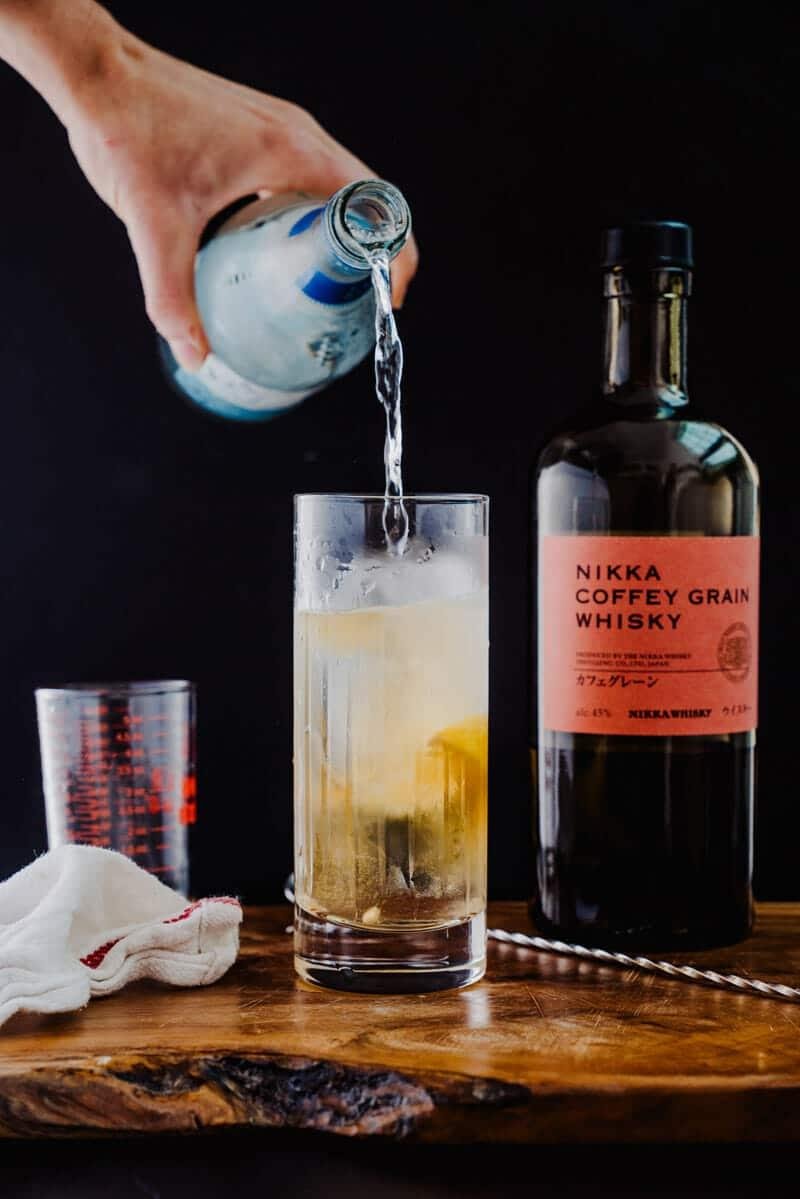
Cocktails are executed with near surgical precision. Ice is hand cut and polished. Glassware is selected with intention. Even a simple highball becomes a refined ritual.

This influence has reshaped global cocktail culture by elevating standards of technique and presentation. Bartenders worldwide now emphasize clarity, balance, and discipline in ways that mirror Japanese practices.

🇮🇹 Italy: Aperitivo and the Art of Balance

Italy’s aperitivo culture centers on pre dinner drinks designed to stimulate the appetite. This tradition prioritizes balance, bitterness, and refreshment over intensity.

Classic cocktails like the Negroni and the Spritz reflect this philosophy. Lower alcohol content, vibrant flavors, and social pacing define the experience.

Globally, aperitivo culture has driven the popularity of sessionable cocktails, bitter liqueurs, and daytime drinking occasions. It has also influenced menu design, encouraging lighter, more approachable offerings.

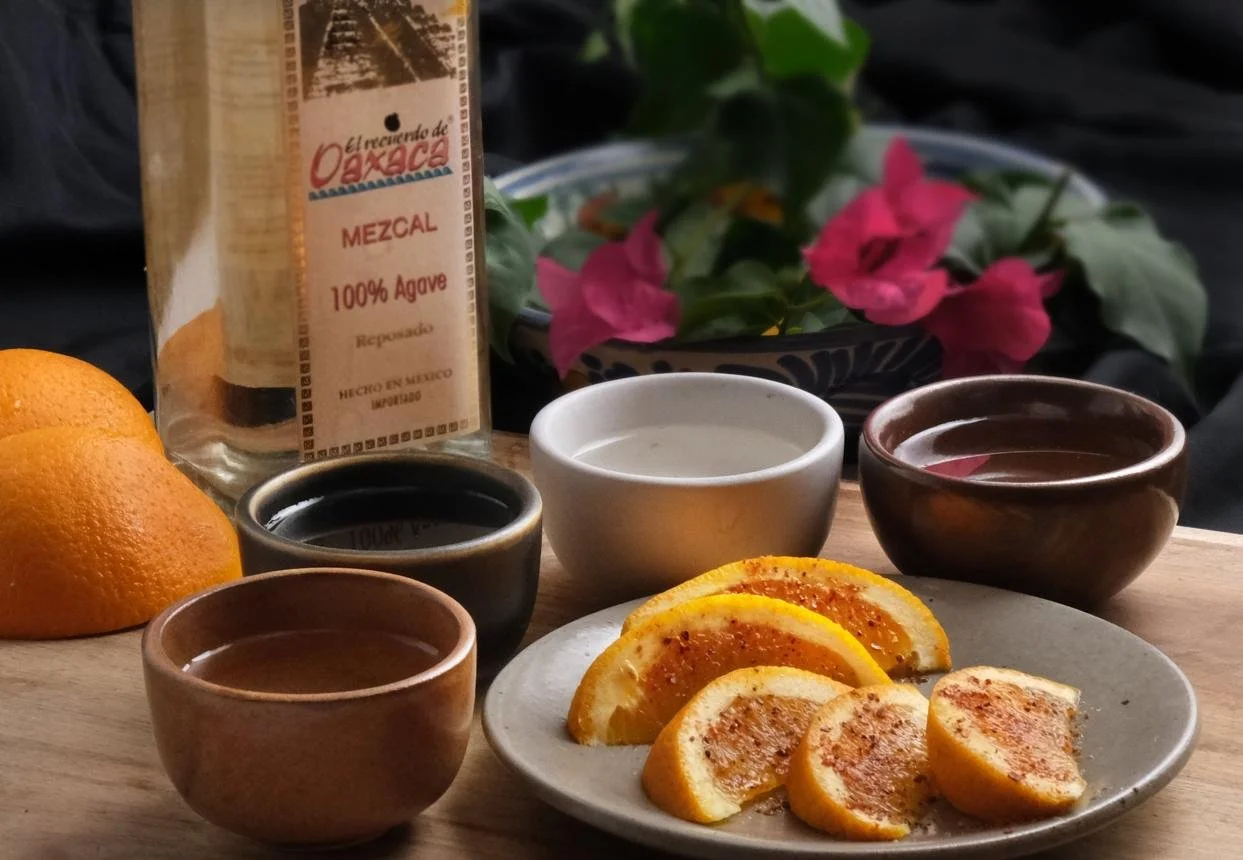
🇲🇽 Mexico: Communal Drinking and Celebration

In Mexico, drinking is a communal act rooted in celebration and connection. Tequila and mezcal are often shared among groups, accompanied by rituals such as toasts and traditional accompaniments.

Rather than rushed consumption, there is an emphasis on savoring and storytelling. Mezcal, in particular, is often served neat in copitas, encouraging appreciation of its complexity.

This cultural approach has influenced cocktail bars worldwide to focus on shared experiences, agave forward cocktails, and storytelling as part of the guest journey.

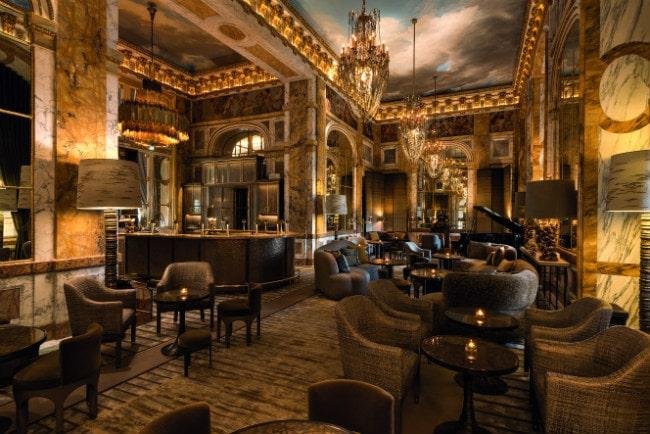
🇫🇷 France: Wine First, Cocktails with Purpose

France’s drinking culture is historically centered on wine, where beverages are integrated seamlessly into meals. Cocktails play a more selective role, often tied to aperitif or digestif moments.

This structure reinforces intentional drinking. Each beverage has a purpose, whether to open the palate or conclude a meal.

Globally, this has influenced cocktail menus to adopt more structured progression, encouraging pairings and thoughtful sequencing rather than random consumption.

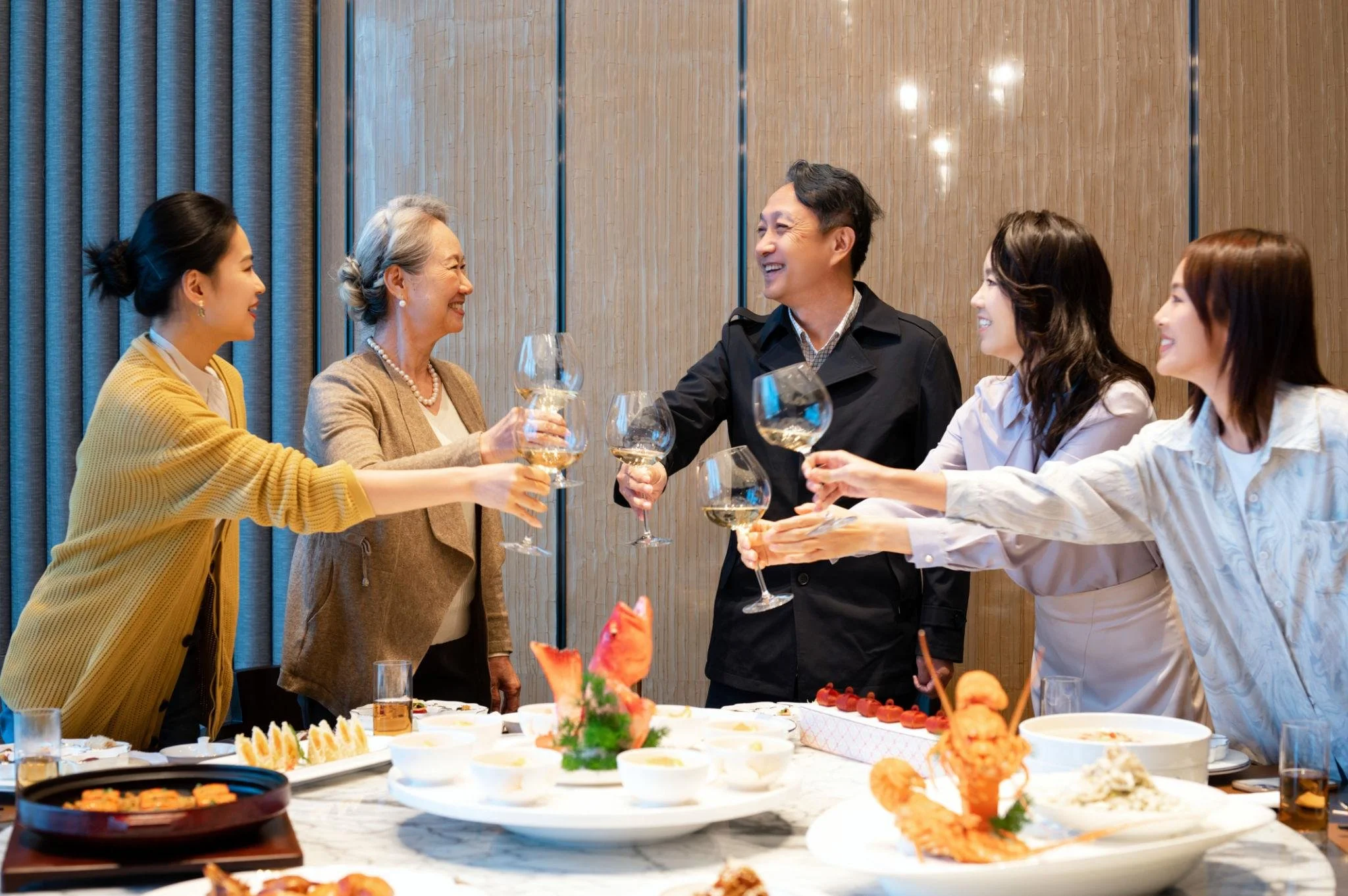
🇨🇳 China: Baijiu, Banquets, and Toasting Culture

In China, drinking is closely tied to hierarchy, respect, and social bonding. Baijiu is often consumed during formal banquets, where toasting rituals such as “ganbei” play a central role.

These customs emphasize participation, honor, and group cohesion. Refusing a toast can carry social meaning, highlighting the importance of etiquette.

This tradition has influenced global cocktail culture by inspiring interactive drinking experiences, structured toasts, and multi guest engagement within bar settings.

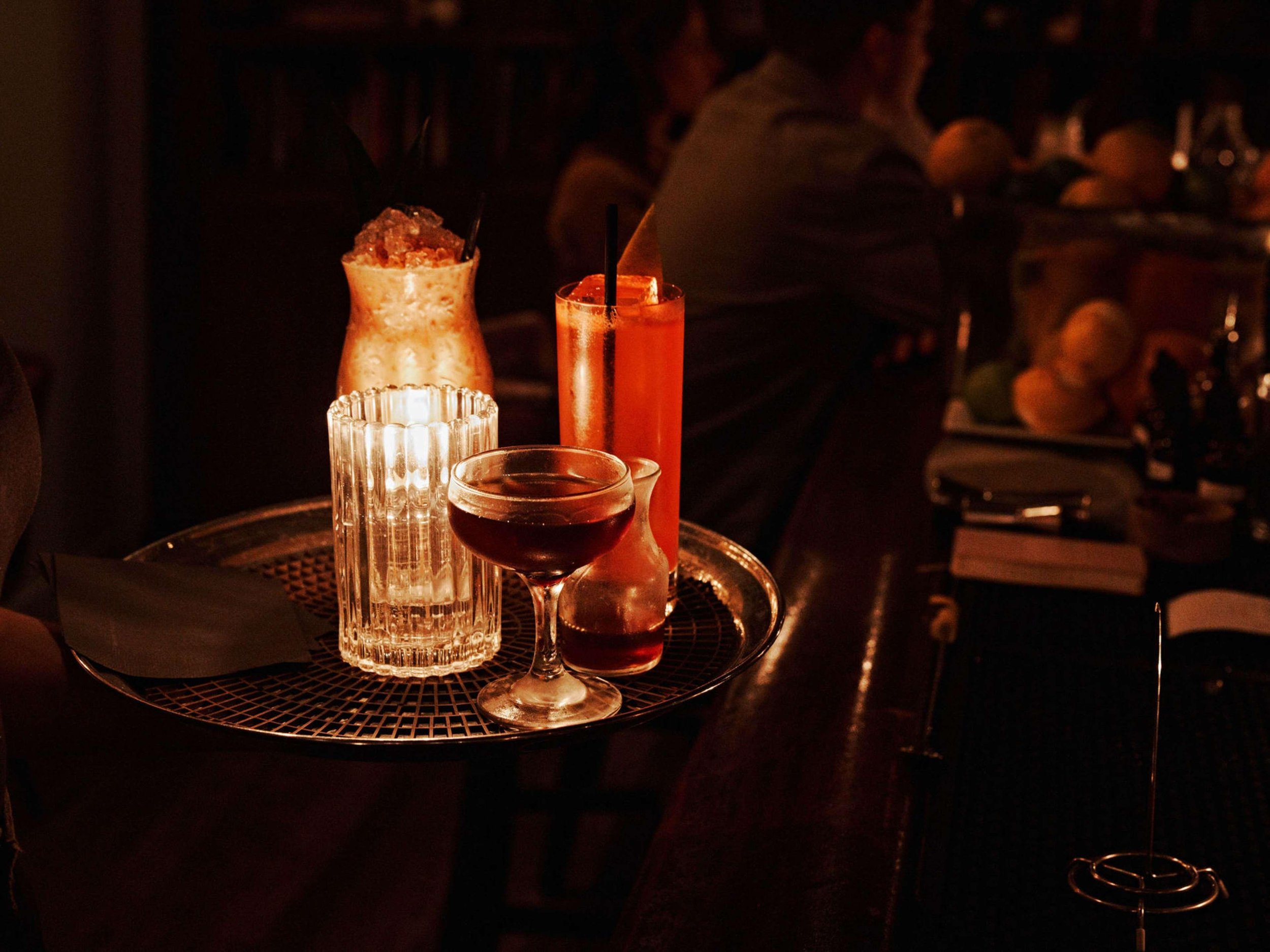
🇺🇸 United States: Innovation and Individual Expression

In the United States, cocktail culture is defined by innovation, reinvention, and individuality. From the early days of classic cocktails to the modern craft movement, experimentation has been central.

Bartenders are encouraged to push boundaries, reinterpret classics, and create signature drinks. This culture values creativity as much as technical skill.

Globally, this influence has fueled the rise of craft cocktail bars, seasonal menus, and personalized guest experiences.


Drinking customs are the foundation upon which cocktail culture is built. They shape not only what is served, but how it is experienced, shared, and remembered.

For the modern mixologist, understanding these traditions is not optional. It is essential. Mastery comes from blending technical skill with cultural awareness, creating cocktails that resonate far beyond the glass.

The Seasons of the Shaker Challenge

Capturing the Rhythm of the Year Through Mixology

The Seasons of the Shaker Challenge honors the artistry of crafting cocktails that reflect the changing rhythm of the year. This showcase invites mixologists to design drinks inspired by seasonal ingredients colors and moods while creating harmony between nature flavor and technique.

Seasons of the Shaker celebrates adaptability freshness and creativity grounded in an understanding of how time and environment shape the craft.


A Tribute to Seasonality in Mixology

Seasonality has long guided culinary traditions and mixology is no exception. The Seasons of the Shaker Challenge recognizes the importance of working in tune with nature by encouraging cocktails that reflect what is fresh vibrant and emotionally resonant in each season.

Participants are invited to explore

  • Seasonal ingredients at their peak

  • Color palettes that mirror the natural world

  • Textures and structures that match seasonal moods

  • Emotional and sensory shifts throughout the year

This showcase is about listening to the season and translating its character into the glass.


Designing Cocktails With Seasonal Intent

Submissions should clearly express a seasonal identity through thoughtful design rather than surface level cues. Each cocktail should feel purposeful grounded and balanced with every element supporting the overall concept.

Strong entries demonstrate

  • Ingredient choices aligned with seasonal availability

  • Balance that enhances freshness and clarity

  • Visual presentation that reflects the season

  • A cohesive connection between flavor structure and mood

The goal is not complexity for its own sake but harmony between time place and taste.


Challenge Timeline

  • Submission Period
    May 1 to June 15

  • Voting Period
    June 16 to June 30

  • Winner Announced
    July 5

This timeline allows participants to work deeply within a defined seasonal window while giving the community time to engage with each submission.

Understanding Base Spirits at an Expert Level

At the expert level, understanding base spirits goes far beyond simple identification. It requires a deep comprehension of structure, production, and how each spirit behaves within a cocktail.

Base spirits are not just ingredients. They are the foundation upon which balance, complexity, and creativity are built. Mastery begins with understanding their intrinsic character and functional role.

Defining the Base Spirit

A base spirit is the primary alcoholic component of a cocktail, typically comprising the largest proportion of the drink. It establishes the core flavor profile and determines the overall direction of the cocktail.

Whether working with vodka, gin, rum, whiskey, or tequila, the base spirit dictates not only taste, but also texture, aroma, and structure.

Production as the Source of Character

To understand a spirit at an expert level, one must begin with its production. Every stage contributes to its final identity:

  • Raw materials such as grain, agave, or molasses

  • Fermentation techniques and yeast selection

  • Distillation methods and still type

  • Aging processes and environmental influence

These variables shape the spirit’s flavor compounds, body, and aromatic complexity. An expert mixologist interprets these characteristics and applies them with intention.

Structural Profiles of Base Spirits

Each base spirit carries a distinct structural profile that influences how it interacts with other ingredients:

  • Vodka offers neutrality and acts as a canvas

  • Gin introduces botanical complexity and aromatic lift

  • Rum ranges from light and crisp to rich and molasses-driven

  • Whiskey provides depth, texture, and often oak influence

  • Tequila delivers vegetal, earthy, and mineral-driven notes

Understanding these structures allows for precise cocktail design rather than trial and error.

Balance and Integration

At an advanced level, the role of the base spirit is not simply to be present, but to integrate seamlessly with all other components.

An expert considers:

  • How the spirit interacts with acidity, sweetness, and bitterness

  • Whether it should dominate or support the profile

  • How dilution and temperature affect its expression

This level of awareness ensures that the base spirit enhances rather than overwhelms the cocktail.

Selecting the Right Base Spirit

Choosing the appropriate base spirit is a deliberate decision. It depends on the intended outcome of the drink.

A bright, refreshing cocktail may call for a clean or botanical-forward spirit. A richer, more contemplative drink may require something with weight and aging influence.

At this level, selection is never arbitrary. It is strategic.

Developing Sensory Precision

Expert understanding also involves refined sensory evaluation. This includes the ability to identify subtle differences in aroma, mouthfeel, and finish.

Through consistent tasting and analysis, mixologists learn to distinguish:

  • Quality variations within the same category

  • Regional and production differences

  • How spirits evolve when mixed, diluted, or chilled

This precision strengthens both technical execution and creative decision making.

From Knowledge to Creativity

Once the structure of base spirits is fully understood, creativity becomes more controlled and intentional.

Instead of building cocktails around trends or imitation, the expert mixologist builds from the spirit outward, ensuring that every element supports its character.

This approach results in cocktails that are both innovative and fundamentally sound.


Understanding base spirits at an expert level is essential for elevating both technique and creativity in mixology. It transforms the role of the base spirit from a simple component into a deliberate, guiding force within the cocktail.

Mastery lies in knowing not just what a spirit is, but how and why it works.

How Structured Learning Improves Creative Confidence

Creativity in mixology is often seen as spontaneous, but at a professional level, it is built through structure. The most confident and innovative mixologists rely on a strong foundation of knowledge that allows them to create with purpose rather than guesswork.

Structured learning transforms creativity from something uncertain into something intentional and repeatable.

Structure Fuels Creativity

Structure and creativity are not opposites. In fact, structure is what enables creativity to thrive. When mixologists understand balance, technique, and ingredient interaction, they gain the ability to innovate with precision.

Rather than experimenting blindly, they can predict outcomes, refine ideas, and execute with clarity. This shift is what builds true creative confidence.

Building the Foundation

Structured learning develops essential skills such as flavor balance, dilution, texture, and ingredient pairing. These elements form the backbone of every great cocktail.

With this foundation in place, the creative process becomes more efficient. Instead of asking what might work, the mixologist understands what will work and why.

Reducing Uncertainty

One of the biggest barriers to creativity is uncertainty. Without a framework, experimentation can feel overwhelming.

Structured learning removes that uncertainty by providing a clear process. It allows mixologists to test ideas methodically, refine them, and improve with each iteration.

Confidence grows when there is a system behind the creativity.

Encouraging Intentional Innovation

True creativity is not random. It is built on understanding. With structured learning, mixologists can break down classic cocktails, analyze their structure, and rebuild them in new ways.

This leads to innovation that is both original and balanced, rather than experimental and inconsistent.

Developing a Personal Style

As knowledge deepens, creativity becomes more personal. Structured learning helps mixologists identify their preferences, techniques, and creative patterns.

Over time, this leads to a distinct style that is both recognizable and consistent. Confidence is no longer situational. It becomes part of their identity behind the bar.


Structured learning does not limit creativity. It strengthens it. By building technical skill, reducing uncertainty, and encouraging intentional innovation, it allows mixologists to create with confidence and consistency.

The most creative professionals are not those who rely on inspiration alone, but those who have mastered the structure behind it.

Building Depth in Spirit-Forward Cocktails

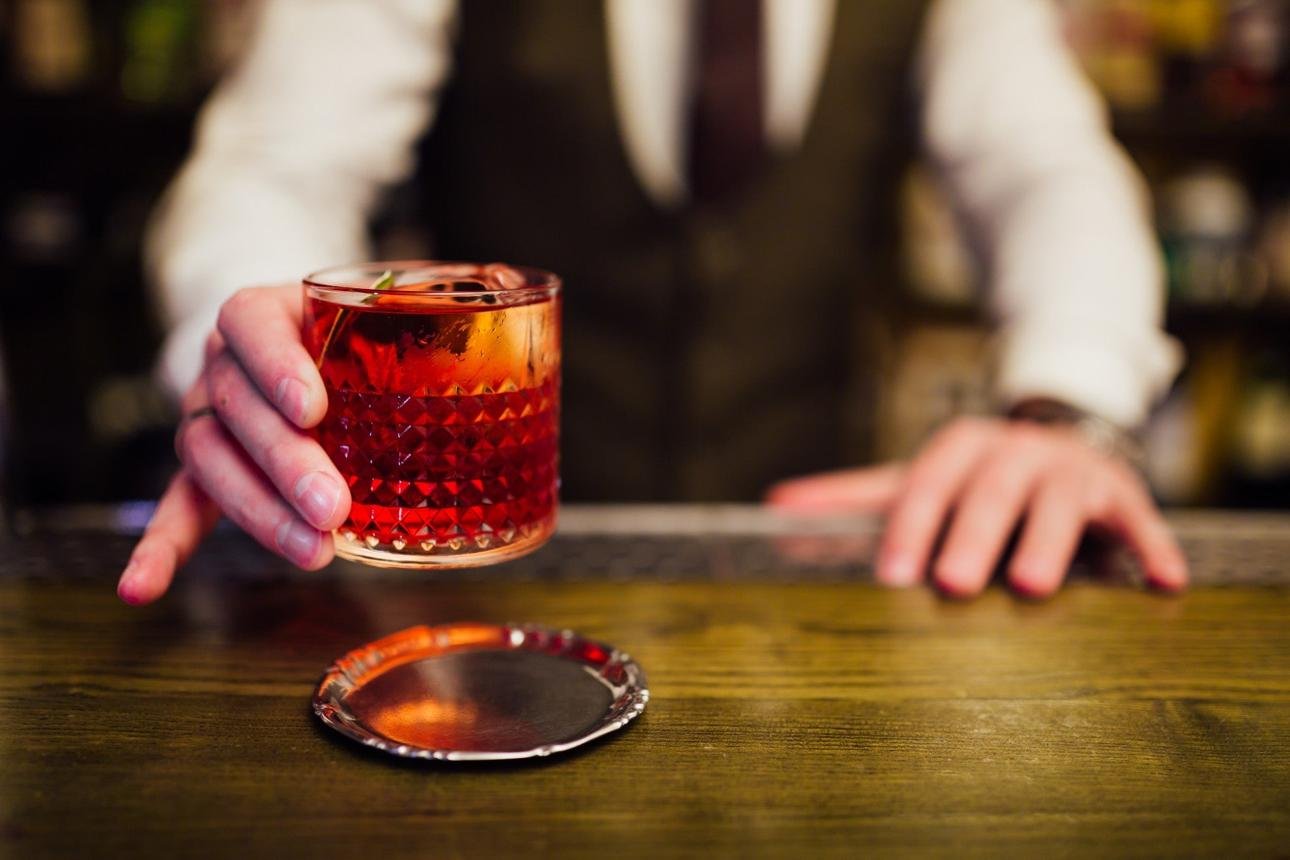
Spirit-forward cocktails represent the purest expression of mixology craft. Without the masking effect of citrus or heavy modifiers, every ingredient is exposed, every imbalance amplified, and every nuance magnified. Drinks such as the Old Fashioned, Negroni, and Manhattan are not merely recipes. They are frameworks for depth, structure, and refinement.

To build true depth in these cocktails is to move beyond simple ratios and into a layered understanding of flavor architecture, texture, aroma, and balance.


The Foundation: Understanding Structural Balance

At the core of every spirit-forward cocktail lies a structural triangle composed of:

  • Base Spirit: The dominant character and backbone

  • Modifier(s): Fortified wines, liqueurs, or secondary spirits that shape complexity

  • Seasoning Elements: Bitters, sugar, or aromatics that refine and elevate

Depth is achieved when these components do not simply coexist but interact dynamically. A well-constructed cocktail evolves from the first sip to the last, revealing layers rather than presenting a single flat profile.

For example, a Manhattan built with a high-rye whiskey introduces spice, which can be softened with a richer sweet vermouth and accentuated with aromatic bitters. The result is not just balance, but progression.


Layering Flavor: Beyond the Obvious

Depth is often misunderstood as intensity. In reality, it is about layering complementary and contrasting notes.

Techniques for Flavor Layering:

1. Split Bases
Combining two base spirits, such as rye whiskey and cognac, introduces complexity without overwhelming the palate. Each spirit contributes distinct characteristics, creating a broader flavor spectrum.

2. Dual Modifiers
Using multiple modifiers, such as blending two vermouths or incorporating a subtle liqueur, builds mid-palate richness and lengthens the finish.

3. Micro-Seasoning
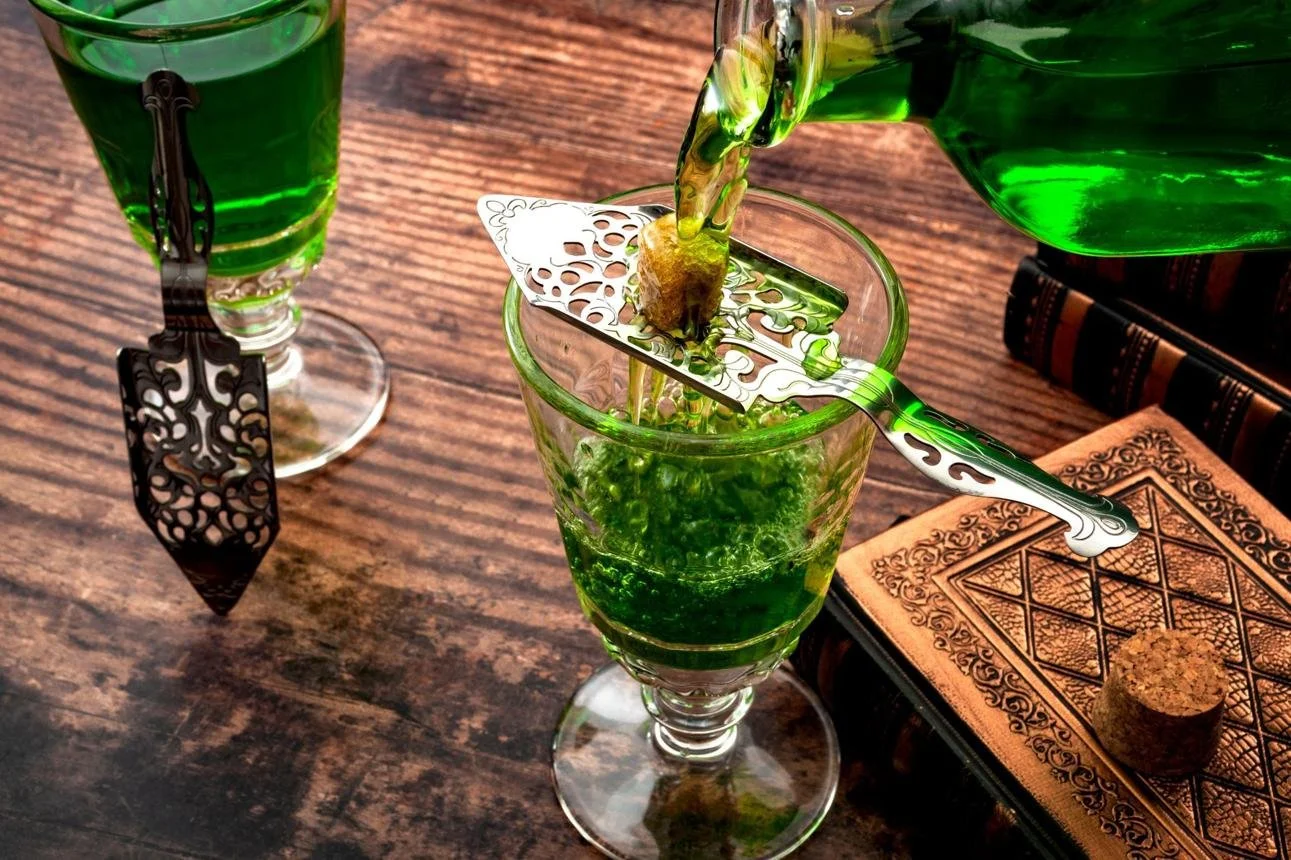
Small additions such as a bar spoon of maraschino liqueur or a rinse of absinthe can dramatically alter perception without dominating the drink.

4. Bitters as Architecture
Bitters are not just seasoning. They are structural tools. Combining aromatic, orange, and specialty bitters creates layers of spice, citrus, and herbal complexity.


Texture and Mouthfeel: The Invisible Dimension

Depth is not only tasted. It is felt.

Mouthfeel plays a critical role in how a cocktail is perceived. A silky, weighty texture can make a drink feel more luxurious and integrated, while a thinner texture can make it feel sharp or disjointed.

Enhancing Texture:

  • Dilution Control: Precise stirring ensures proper integration without over-thinning

  • Viscosity Builders: Ingredients like gomme syrup or richer vermouths add body

  • Temperature Management: Proper chilling enhances cohesion and suppresses harsh edges

A perfectly stirred cocktail should glide across the palate, not strike it.


Aromatics: The First Layer of Depth

Before the first sip, aroma sets the stage. In spirit-forward cocktails, aromatics are often the most underutilized tool for building depth.

Aromatic Strategies:

  • Citrus Expression: Expressed oils provide brightness and lift

  • Herbal Garnishes: Rosemary, thyme, or mint introduce fresh aromatic contrast

  • Smoke and Rinses: Subtle smoke or an absinthe rinse adds intrigue and complexity

  • Glass Preparation: Even a simple rinse can create a layered aromatic entry point

Aromatic design should complement the cocktail’s internal structure, not distract from it.


Bitterness, Sweetness, and Contrast

True depth requires contrast. A cocktail that leans too heavily in one direction becomes predictable.

  • Bitterness adds structure and length

  • Sweetness provides roundness and accessibility

  • Alcohol Heat delivers intensity and presence

Balancing these elements creates tension, and tension creates interest.

The Negroni is a masterclass in this principle. Its equal-parts structure works not because of simplicity, but because of the interplay between bitter, sweet, and botanical intensity.


Evolution in the Glass

A great spirit-forward cocktail is not static. It evolves.

As dilution increases and temperature shifts, new flavors emerge. The initial sip may highlight the base spirit, while later sips reveal deeper herbal, bitter, or oxidative notes.

Designing for evolution means considering how a cocktail will taste not just when served, but throughout its lifespan in the glass.


Precision as the Path to Depth

Ultimately, depth is not accidental. It is engineered.

Every decision, from spirit selection to stirring time, contributes to the final experience. Advanced mixology is about intentionality, where even the smallest adjustment can transform a drink from good to exceptional.

Spirit-forward cocktails demand respect, precision, and creativity. When executed at a high level, they become more than drinks. They become experiences layered with nuance, character, and lasting impression.