
Spirit-forward cocktails represent the purest expression of mixology craft. Without the masking effect of citrus or heavy modifiers, every ingredient is exposed, every imbalance amplified, and every nuance magnified. Drinks such as the Old Fashioned, Negroni, and Manhattan are not merely recipes. They are frameworks for depth, structure, and refinement.
To build true depth in these cocktails is to move beyond simple ratios and into a layered understanding of flavor architecture, texture, aroma, and balance.
The Foundation: Understanding Structural Balance
At the core of every spirit-forward cocktail lies a structural triangle composed of:
Base Spirit: The dominant character and backbone
Modifier(s): Fortified wines, liqueurs, or secondary spirits that shape complexity
Seasoning Elements: Bitters, sugar, or aromatics that refine and elevate
Depth is achieved when these components do not simply coexist but interact dynamically. A well-constructed cocktail evolves from the first sip to the last, revealing layers rather than presenting a single flat profile.
For example, a Manhattan built with a high-rye whiskey introduces spice, which can be softened with a richer sweet vermouth and accentuated with aromatic bitters. The result is not just balance, but progression.
Layering Flavor: Beyond the Obvious
Depth is often misunderstood as intensity. In reality, it is about layering complementary and contrasting notes.
Techniques for Flavor Layering:
1. Split Bases
Combining two base spirits, such as rye whiskey and cognac, introduces complexity without overwhelming the palate. Each spirit contributes distinct characteristics, creating a broader flavor spectrum.
2. Dual Modifiers
Using multiple modifiers, such as blending two vermouths or incorporating a subtle liqueur, builds mid-palate richness and lengthens the finish.
3. Micro-Seasoning
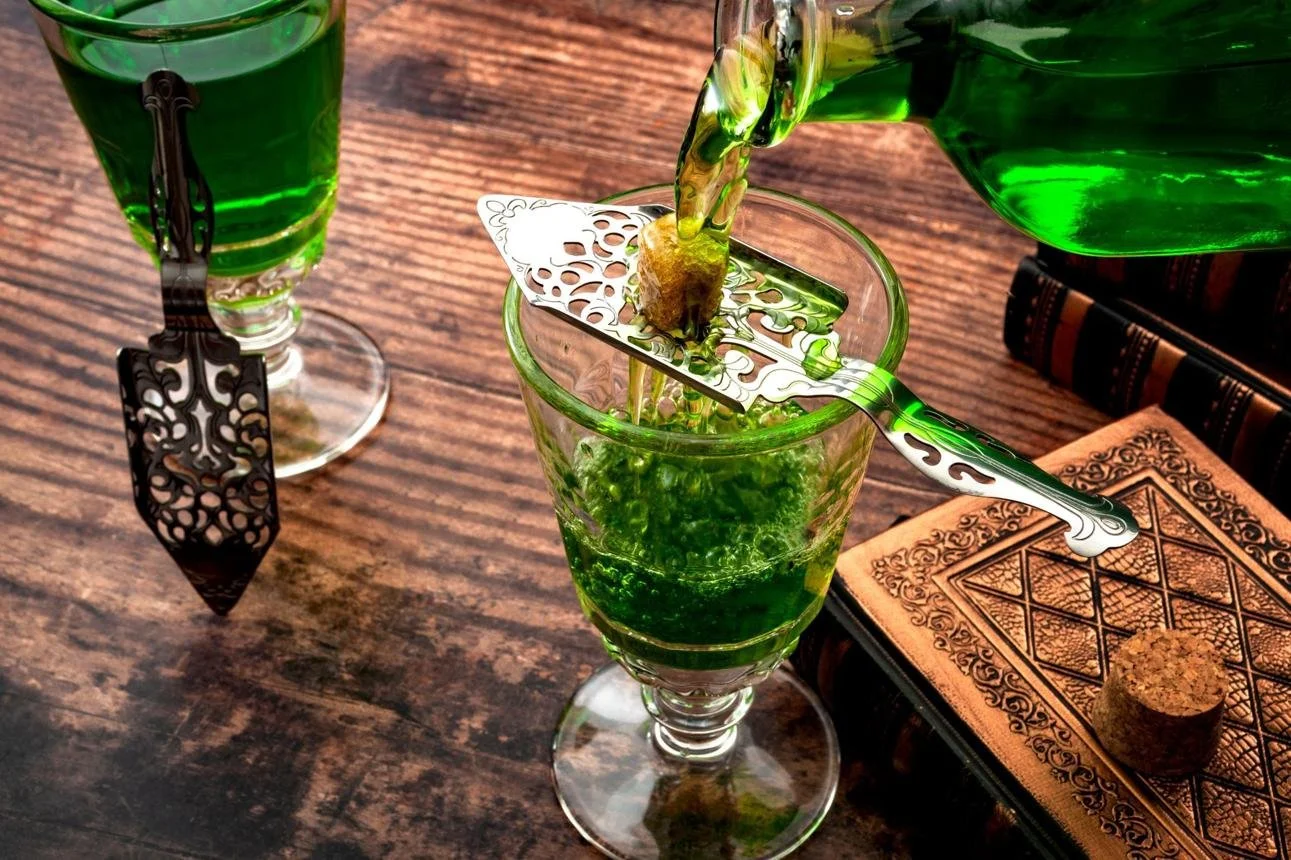
Small additions such as a bar spoon of maraschino liqueur or a rinse of absinthe can dramatically alter perception without dominating the drink.
4. Bitters as Architecture
Bitters are not just seasoning. They are structural tools. Combining aromatic, orange, and specialty bitters creates layers of spice, citrus, and herbal complexity.
Texture and Mouthfeel: The Invisible Dimension
Depth is not only tasted. It is felt.
Mouthfeel plays a critical role in how a cocktail is perceived. A silky, weighty texture can make a drink feel more luxurious and integrated, while a thinner texture can make it feel sharp or disjointed.
Enhancing Texture:
Dilution Control: Precise stirring ensures proper integration without over-thinning
Viscosity Builders: Ingredients like gomme syrup or richer vermouths add body
Temperature Management: Proper chilling enhances cohesion and suppresses harsh edges
A perfectly stirred cocktail should glide across the palate, not strike it.
Aromatics: The First Layer of Depth
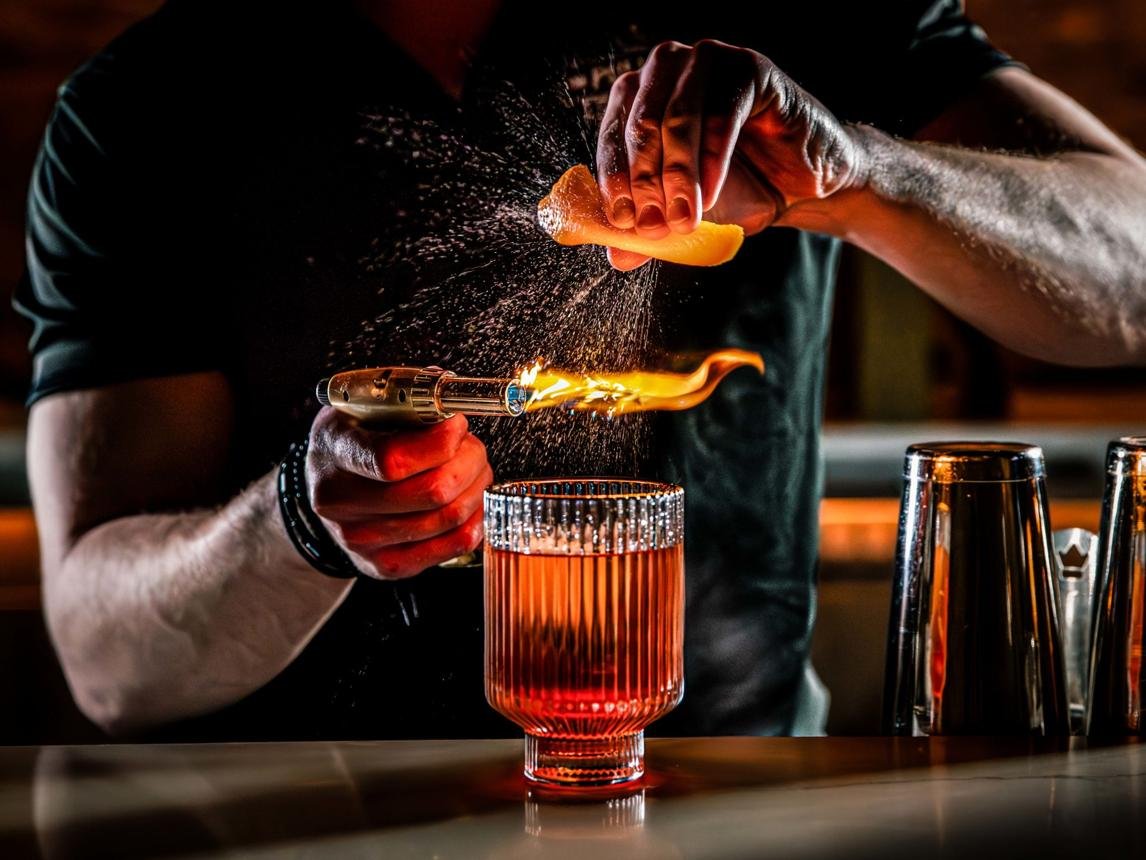
Before the first sip, aroma sets the stage. In spirit-forward cocktails, aromatics are often the most underutilized tool for building depth.
Aromatic Strategies:
Citrus Expression: Expressed oils provide brightness and lift
Herbal Garnishes: Rosemary, thyme, or mint introduce fresh aromatic contrast
Smoke and Rinses: Subtle smoke or an absinthe rinse adds intrigue and complexity
Glass Preparation: Even a simple rinse can create a layered aromatic entry point
Aromatic design should complement the cocktail’s internal structure, not distract from it.
Bitterness, Sweetness, and Contrast
True depth requires contrast. A cocktail that leans too heavily in one direction becomes predictable.
Bitterness adds structure and length
Sweetness provides roundness and accessibility
Alcohol Heat delivers intensity and presence
Balancing these elements creates tension, and tension creates interest.
The Negroni is a masterclass in this principle. Its equal-parts structure works not because of simplicity, but because of the interplay between bitter, sweet, and botanical intensity.
Evolution in the Glass
A great spirit-forward cocktail is not static. It evolves.
As dilution increases and temperature shifts, new flavors emerge. The initial sip may highlight the base spirit, while later sips reveal deeper herbal, bitter, or oxidative notes.
Designing for evolution means considering how a cocktail will taste not just when served, but throughout its lifespan in the glass.
Precision as the Path to Depth
Ultimately, depth is not accidental. It is engineered.
Every decision, from spirit selection to stirring time, contributes to the final experience. Advanced mixology is about intentionality, where even the smallest adjustment can transform a drink from good to exceptional.
Spirit-forward cocktails demand respect, precision, and creativity. When executed at a high level, they become more than drinks. They become experiences layered with nuance, character, and lasting impression.
