
A cocktail menu is not simply a list of drinks. It is a curated journey, a strategic narrative, and a psychological tool that guides guest decisions while reinforcing brand identity. At the highest level of mixology, menu engineering becomes an exercise in flavor orchestration and experiential design, ensuring that each selection contributes to a cohesive and memorable guest experience.
In elite bar programs, menus are designed not just to sell drinks, but to control flow, pacing, and perception.
The Architecture of Flavor Flow
Flavor flow refers to the intentional sequencing of cocktails across a menu to guide the guest from lighter, more accessible profiles to deeper, more complex expressions.
Core Progression Model:
Bright and Refreshing
Fruity and Aromatic
Balanced and Spirit-Forward
Rich and Decadent
This progression mirrors both palate fatigue and guest psychology. Early in the experience, guests gravitate toward lighter, more refreshing drinks. As the experience unfolds, they become more receptive to intensity, bitterness, and spirit-forward complexity.
A well-engineered menu subtly encourages this journey without making it feel prescriptive.
Section Design: Creating Navigational Clarity
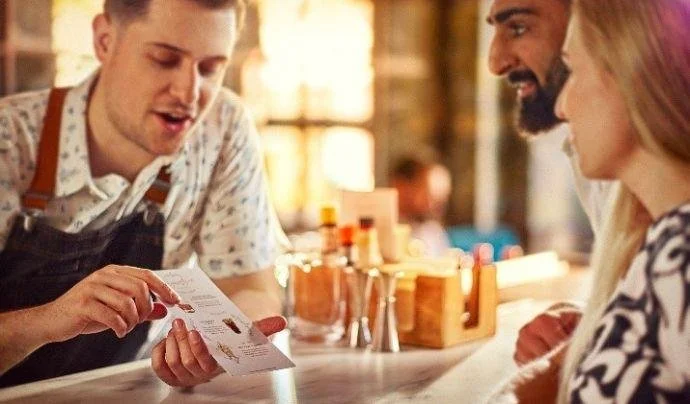
Menus should be structured into clearly defined sections that communicate both flavor profile and experience level.
Common Section Strategies:
By Flavor Profile: Citrus Forward, Herbal and Botanical, Spirit-Driven, Dessert-Style
By Base Spirit: Whiskey, Gin, Rum, Agave, etc.
By Experience: Light and Sessionable, Bold and Complex, Experimental
The most effective menus often blend these approaches, using flavor as the primary guide while subtly reinforcing spirit categories.
Clarity reduces decision fatigue. When guests understand where they are within the menu, they order with greater confidence.
Strategic Placement and the Psychology of Choice
Menu engineering is deeply tied to behavioral psychology.
Guests do not read menus linearly. Their eyes are drawn to specific areas, often referred to as “sweet spots,” where high-margin or signature cocktails should be placed.
Key Psychological Principles:
Top Right Dominance: One of the most viewed areas on a menu
Anchoring: Placing a high-priced item to make others feel more accessible
Decoy Effect: Offering a slightly less appealing option to guide choices
Strategic placement ensures that both guest satisfaction and profitability are optimized without compromising integrity.
Descriptive Language and Sensory Framing
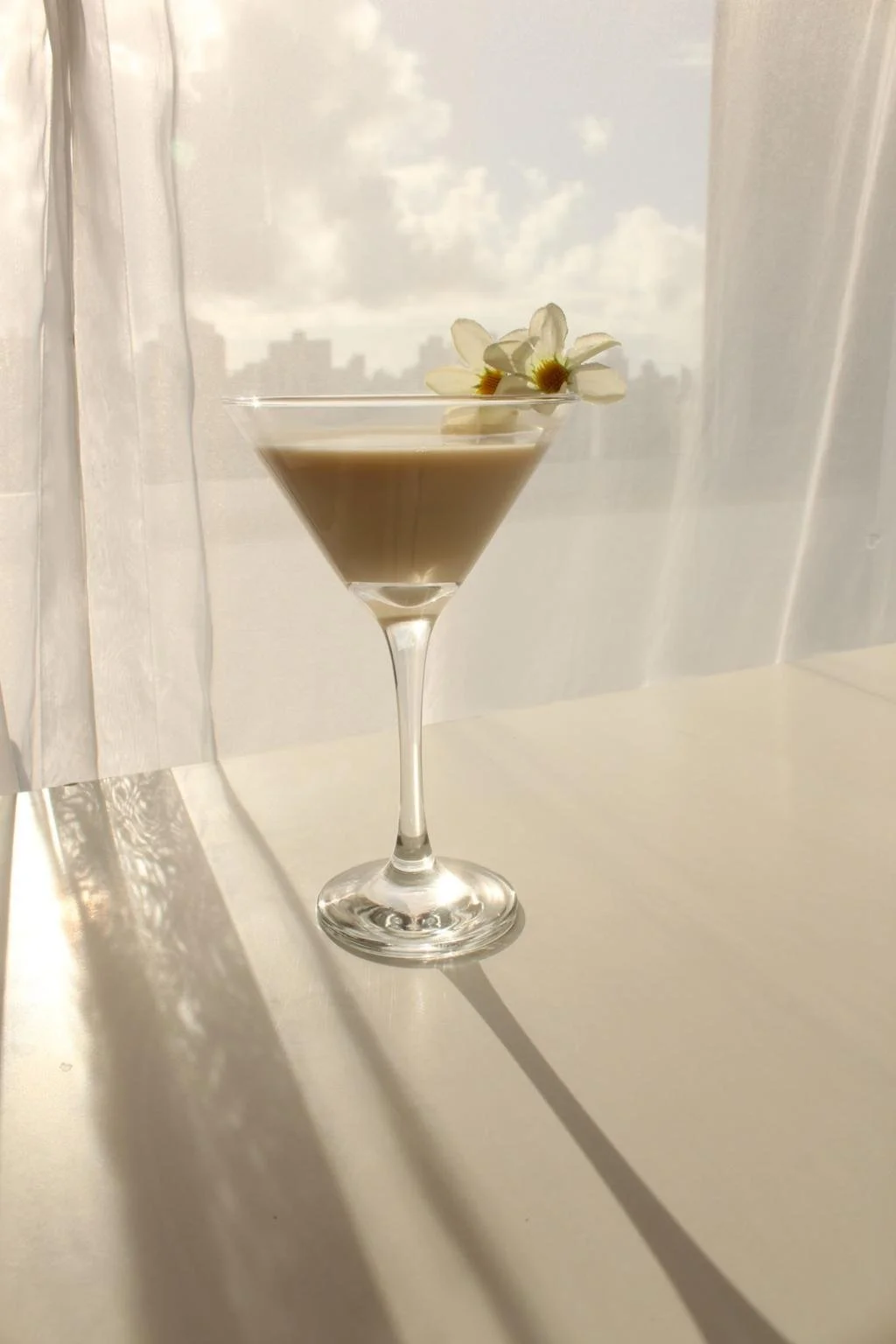
Language is one of the most powerful tools in menu design. The way a cocktail is described directly influences how it is perceived before it is even tasted.
Effective Description Techniques:
Flavor Cues: Highlight dominant and secondary notes
Texture Indicators: Silky, crisp, velvety, structured
Aromatic Signals: Citrus oils, herbal lift, spiced finish
Avoid overly technical language. Instead, translate complexity into sensory-driven storytelling that is accessible yet refined.
For example, instead of listing ingredients alone, frame the experience:
“A rich, spirit-forward composition layered with baking spice, dried fruit, and a long, warming finish.”
Pacing the Guest Experience
A well-designed menu anticipates not just what a guest will order, but how many drinks they will have and in what sequence.
Designing for Multiple Rounds:
First Drink: Approachable and refreshing
Second Drink: More expressive and balanced
Third Drink: Spirit-forward or adventurous
By structuring the menu to support this progression, bars can naturally increase check averages while enhancing guest satisfaction.
Menus should also allow for branching paths, enabling guests to explore within a flavor category or move across categories as their palate evolves.
Visual Design as a Functional Tool
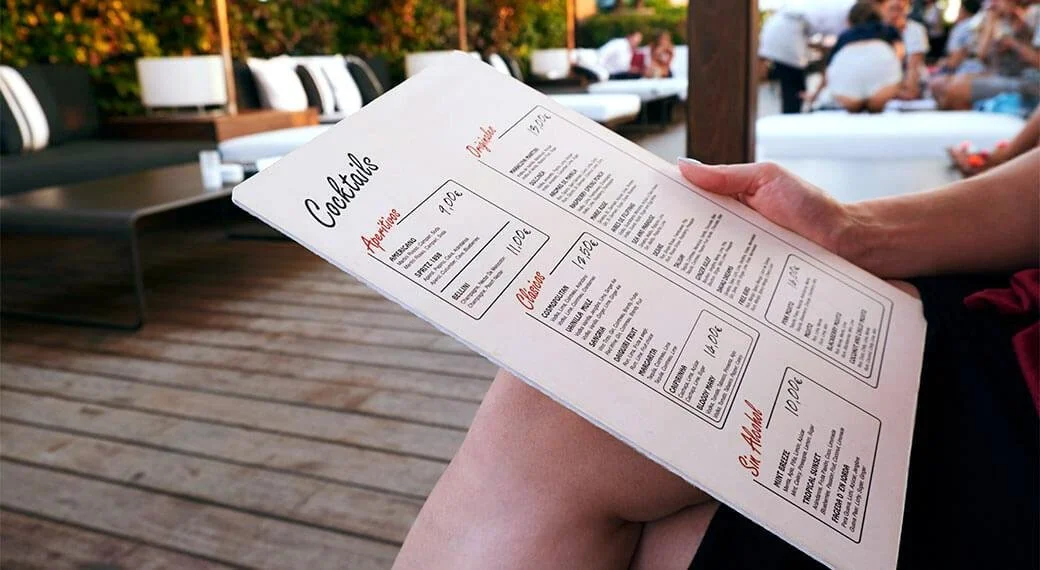
Visual design is not purely aesthetic. It is functional.
Typography, spacing, and layout all influence readability and decision-making speed.
Design Considerations:
Typography Hierarchy: Clear distinction between cocktail names and descriptions
Whitespace: Prevents cognitive overload
Iconography: Quick visual cues for flavor or strength
Consistency: Reinforces brand identity
A cluttered menu creates hesitation. A refined menu creates confidence.
Signature Cocktails as Anchors
Every elite menu should feature a set of signature cocktails that define the bar’s identity.
These drinks serve as anchors, guiding guests toward the intended experience while showcasing the bar’s technical and creative strengths.
Signature cocktails should be:
Distinctive in flavor and presentation
Strategically placed in high-visibility areas
Representative of the brand’s philosophy
They are not just offerings. They are statements.
Balancing Creativity and Accessibility
One of the greatest challenges in menu engineering is balancing innovation with approachability.
A menu that is too experimental risks alienating guests. A menu that is too safe risks being forgettable.
The solution lies in layered accessibility:
Familiar formats with unexpected twists
Recognizable flavors presented in new ways
Clear descriptions that reduce perceived risk
This balance ensures that both novice and experienced guests find value in the menu.
Conclusion: Engineering Experience Through Design
Menu engineering at the highest level is an exercise in intentionality. Every element, from flavor progression to typography, contributes to a unified guest experience.
When executed correctly, a menu does more than present options. It guides behavior, enhances perception, and elevates the entire bar program.
In the world of Mixology Elite, the menu is not secondary to the cocktail. It is the framework through which the cocktail is understood, selected, and ultimately remembered.
