
Cocktail culture does not exist in isolation. It is shaped by centuries of ritual, etiquette, and social tradition. Around the world, drinking customs influence not only how spirits are consumed but also how cocktails are built, served, and experienced. For the modern mixologist, understanding these customs is essential to crafting drinks that carry authenticity, respect, and cultural depth.
🇯🇵 Japan: Precision, Respect, and Ritualized Service
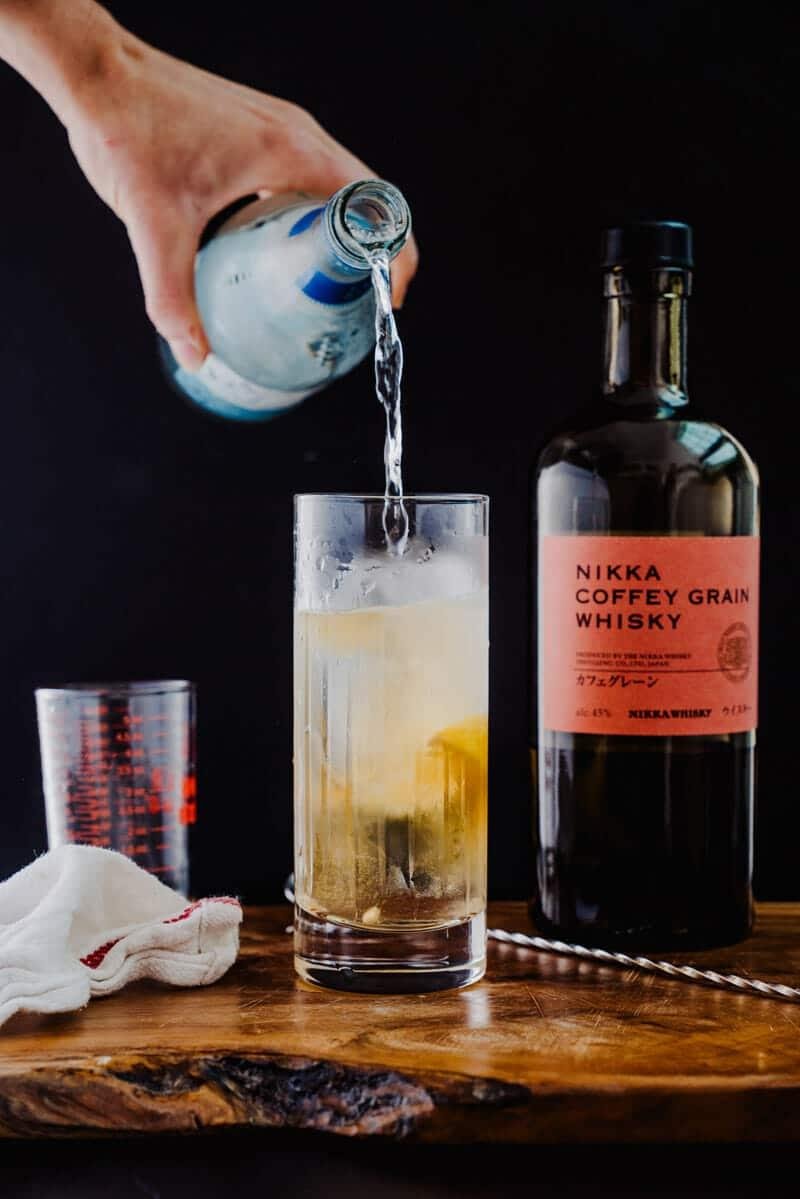
In Japan, drinking is deeply tied to respect, harmony, and meticulous attention to detail. The concept of omotenashi, or wholehearted hospitality, defines the guest experience.
Cocktails are executed with near surgical precision. Ice is hand cut and polished. Glassware is selected with intention. Even a simple highball becomes a refined ritual.
This influence has reshaped global cocktail culture by elevating standards of technique and presentation. Bartenders worldwide now emphasize clarity, balance, and discipline in ways that mirror Japanese practices.
🇮🇹 Italy: Aperitivo and the Art of Balance
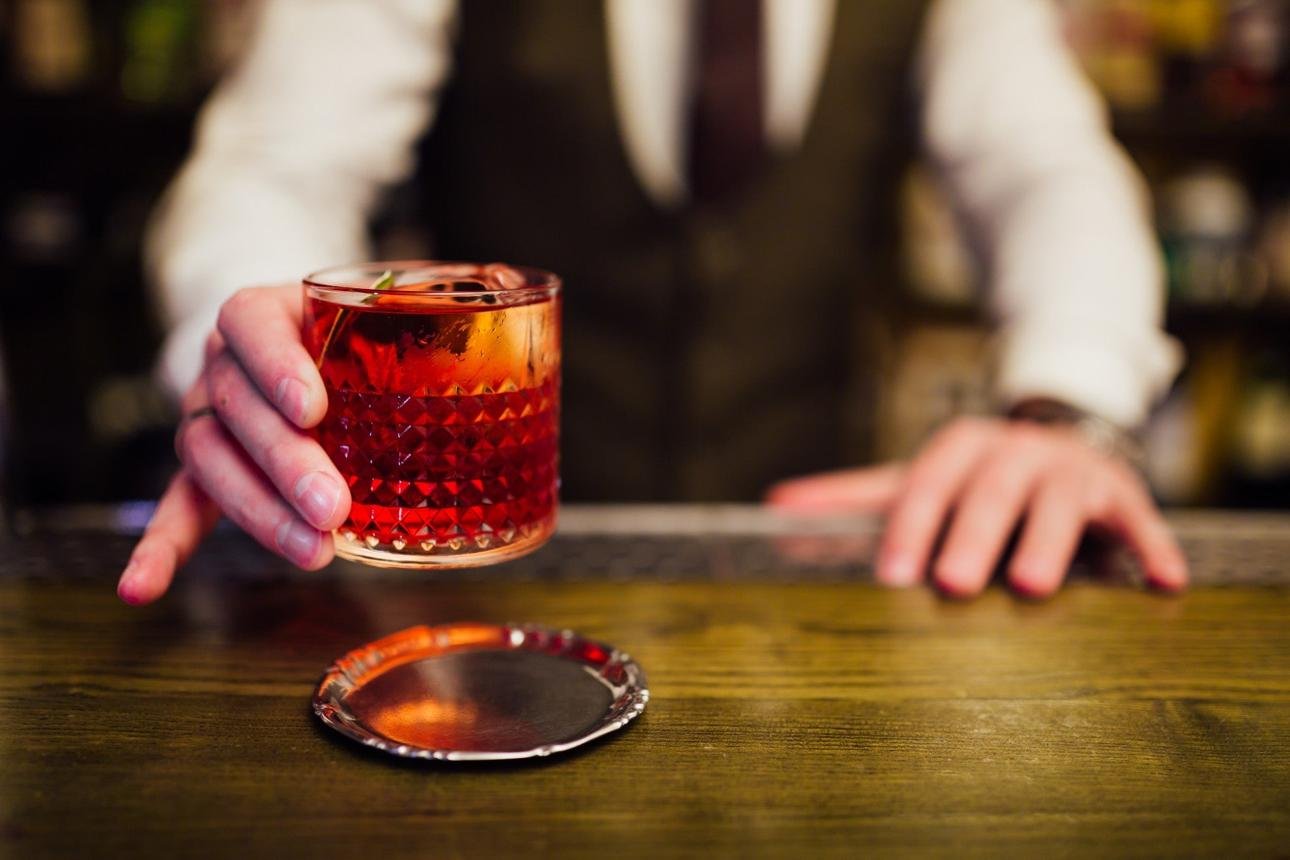
Italy’s aperitivo culture centers on pre dinner drinks designed to stimulate the appetite. This tradition prioritizes balance, bitterness, and refreshment over intensity.
Classic cocktails like the Negroni and the Spritz reflect this philosophy. Lower alcohol content, vibrant flavors, and social pacing define the experience.
Globally, aperitivo culture has driven the popularity of sessionable cocktails, bitter liqueurs, and daytime drinking occasions. It has also influenced menu design, encouraging lighter, more approachable offerings.
🇲🇽 Mexico: Communal Drinking and Celebration
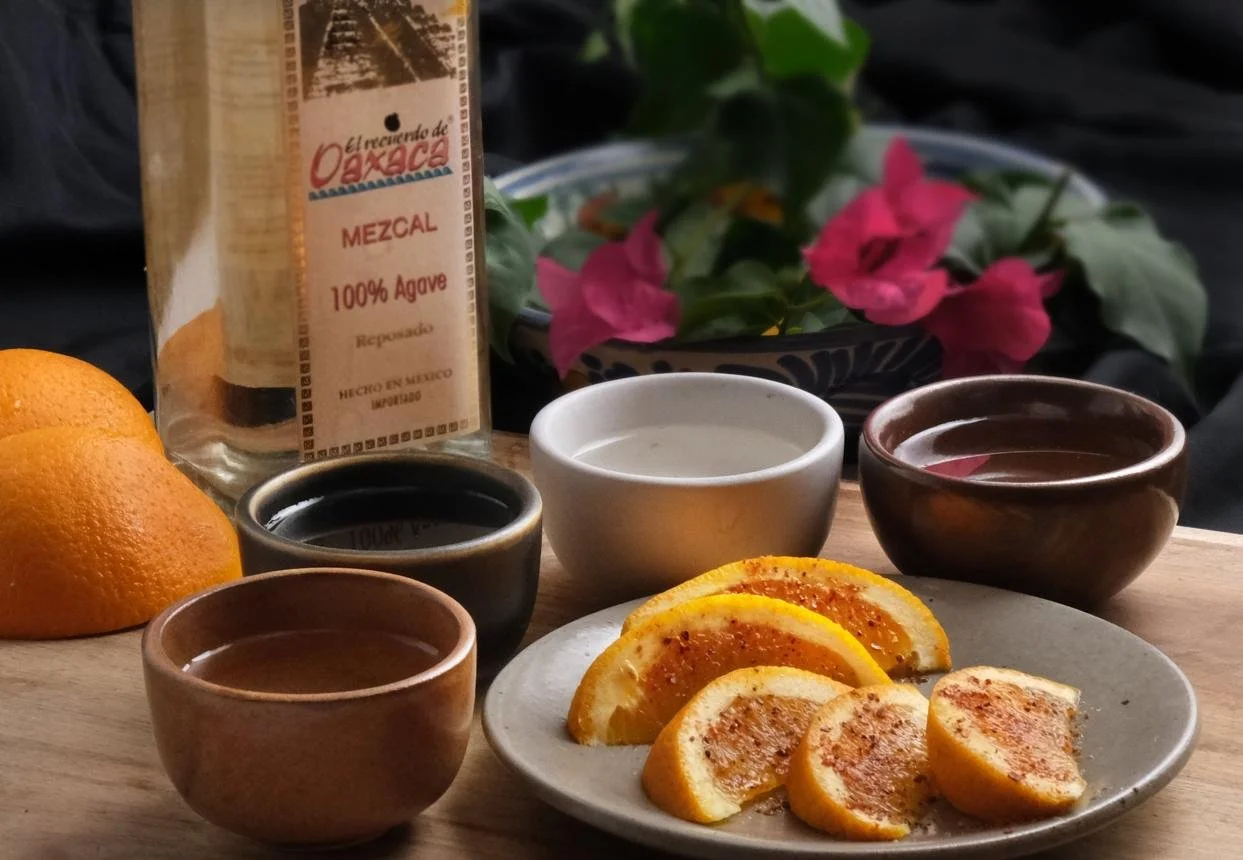
In Mexico, drinking is a communal act rooted in celebration and connection. Tequila and mezcal are often shared among groups, accompanied by rituals such as toasts and traditional accompaniments.
Rather than rushed consumption, there is an emphasis on savoring and storytelling. Mezcal, in particular, is often served neat in copitas, encouraging appreciation of its complexity.
This cultural approach has influenced cocktail bars worldwide to focus on shared experiences, agave forward cocktails, and storytelling as part of the guest journey.
🇫🇷 France: Wine First, Cocktails with Purpose
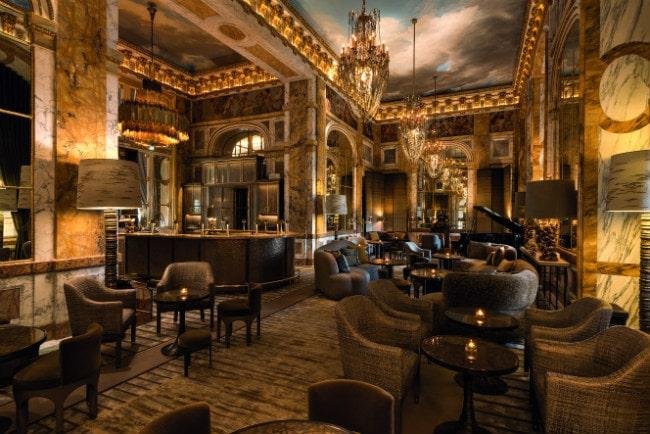
France’s drinking culture is historically centered on wine, where beverages are integrated seamlessly into meals. Cocktails play a more selective role, often tied to aperitif or digestif moments.
This structure reinforces intentional drinking. Each beverage has a purpose, whether to open the palate or conclude a meal.
Globally, this has influenced cocktail menus to adopt more structured progression, encouraging pairings and thoughtful sequencing rather than random consumption.
🇨🇳 China: Baijiu, Banquets, and Toasting Culture
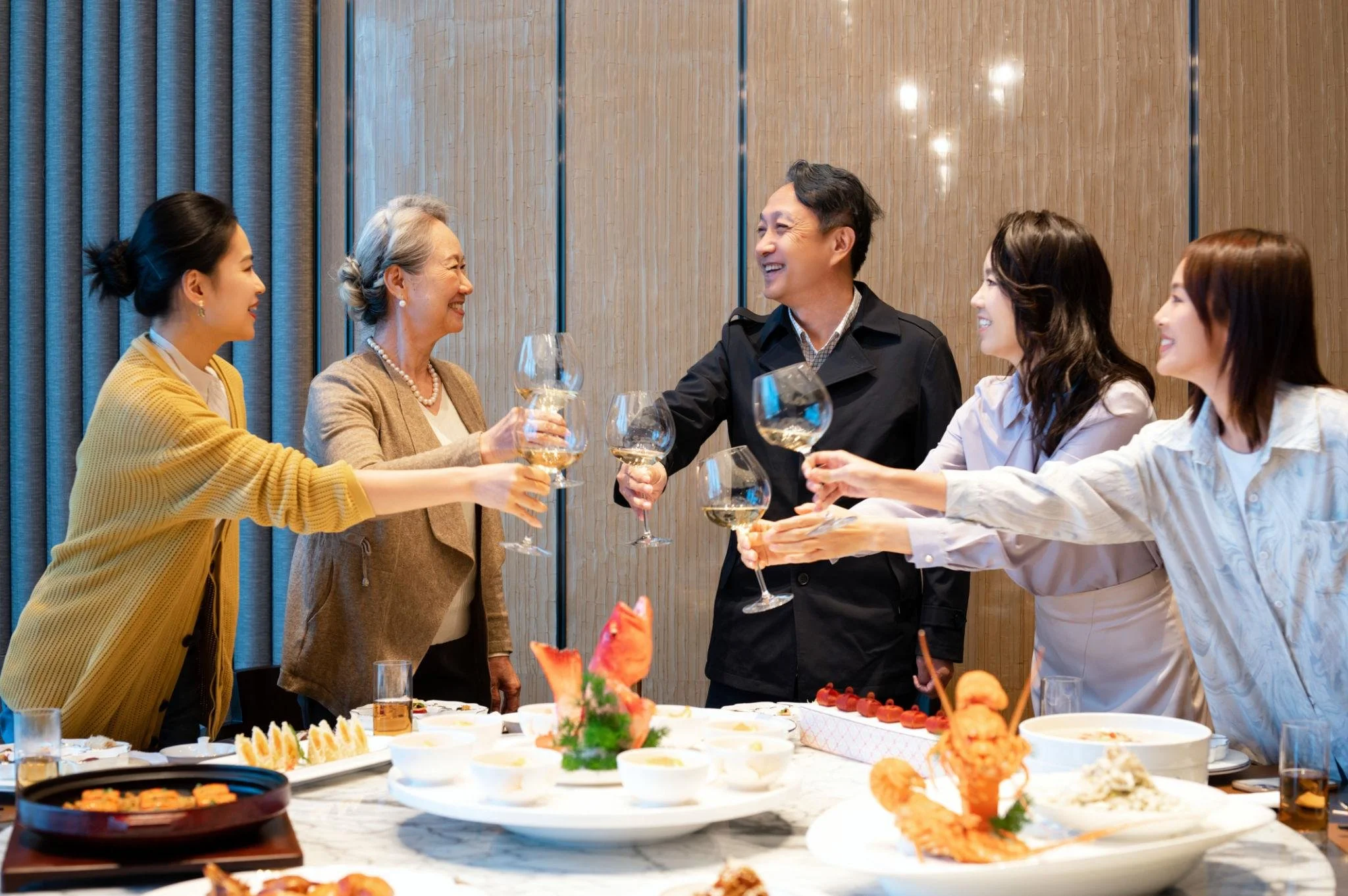
In China, drinking is closely tied to hierarchy, respect, and social bonding. Baijiu is often consumed during formal banquets, where toasting rituals such as “ganbei” play a central role.
These customs emphasize participation, honor, and group cohesion. Refusing a toast can carry social meaning, highlighting the importance of etiquette.
This tradition has influenced global cocktail culture by inspiring interactive drinking experiences, structured toasts, and multi guest engagement within bar settings.
🇺🇸 United States: Innovation and Individual Expression
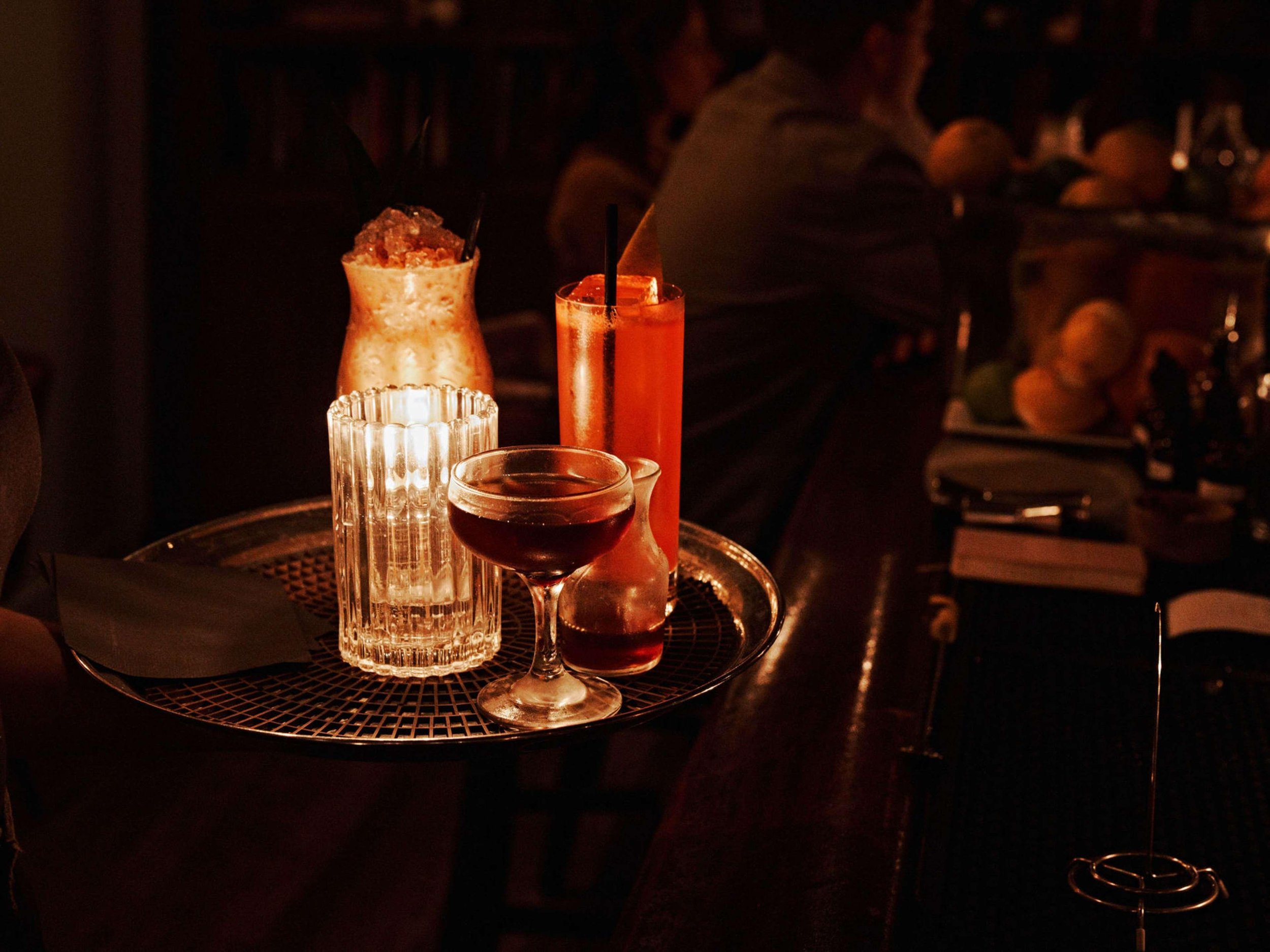
In the United States, cocktail culture is defined by innovation, reinvention, and individuality. From the early days of classic cocktails to the modern craft movement, experimentation has been central.
Bartenders are encouraged to push boundaries, reinterpret classics, and create signature drinks. This culture values creativity as much as technical skill.
Globally, this influence has fueled the rise of craft cocktail bars, seasonal menus, and personalized guest experiences.
Drinking customs are the foundation upon which cocktail culture is built. They shape not only what is served, but how it is experienced, shared, and remembered.
For the modern mixologist, understanding these traditions is not optional. It is essential. Mastery comes from blending technical skill with cultural awareness, creating cocktails that resonate far beyond the glass.
