
At the core of every great cocktail lies a fundamental equation. Acid, sugar, and alcohol form the structural backbone that defines balance, drinkability, and overall experience. Whether crafting a classic sour or an innovative modern cocktail, mastering this triad is essential for achieving precision and consistency at an elite level.
This is not simply about ratios. It is about interaction, perception, and control.
The Structural Triangle
Every balanced cocktail can be understood through three primary components:
Acid: Brightness, sharpness, and tension
Sugar: Roundness, texture, and approachability
Alcohol: Body, intensity, and structure
When these elements are in harmony, the cocktail feels integrated. When one dominates, the drink becomes disjointed.
The goal is not equal parts, but intentional equilibrium.
Understanding Acid: More Than Just Citrus
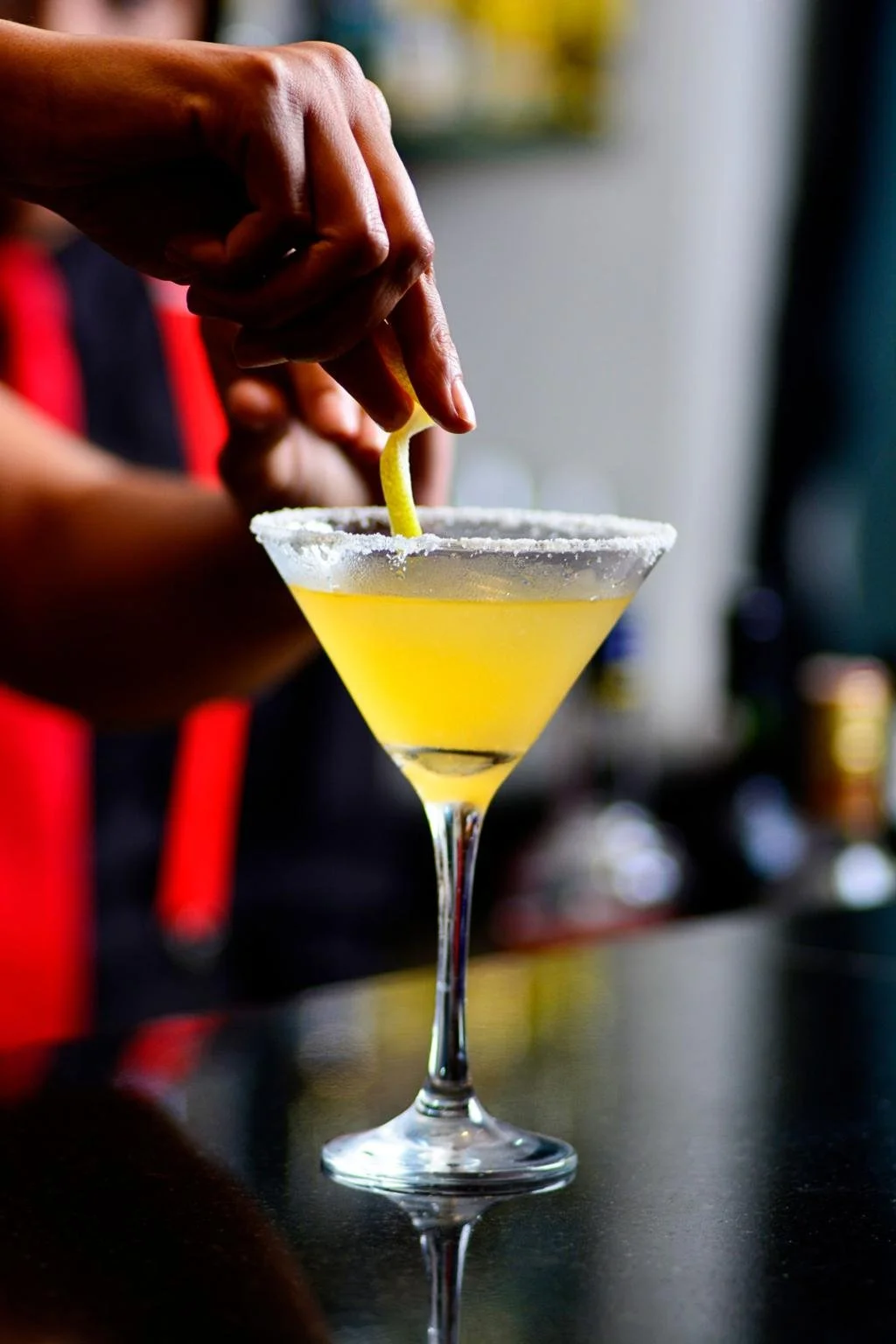
Acid provides the tension that keeps a cocktail lively and refreshing.
Sources of Acid:
Citrus Juices: Lemon, lime, grapefruit, orange
Acid Solutions: Citric, malic, or lactic acid blends
Fortified Wines and Verjus: Softer, wine-based acidity
Each source delivers a different type of acidity. Lemon and lime provide sharp, immediate brightness, while malic acid introduces a more rounded, green-apple-like tartness.
Precision in acid selection allows for fine-tuning the cocktail’s structure beyond traditional citrus use.
Sugar: The Counterbalance and Connector
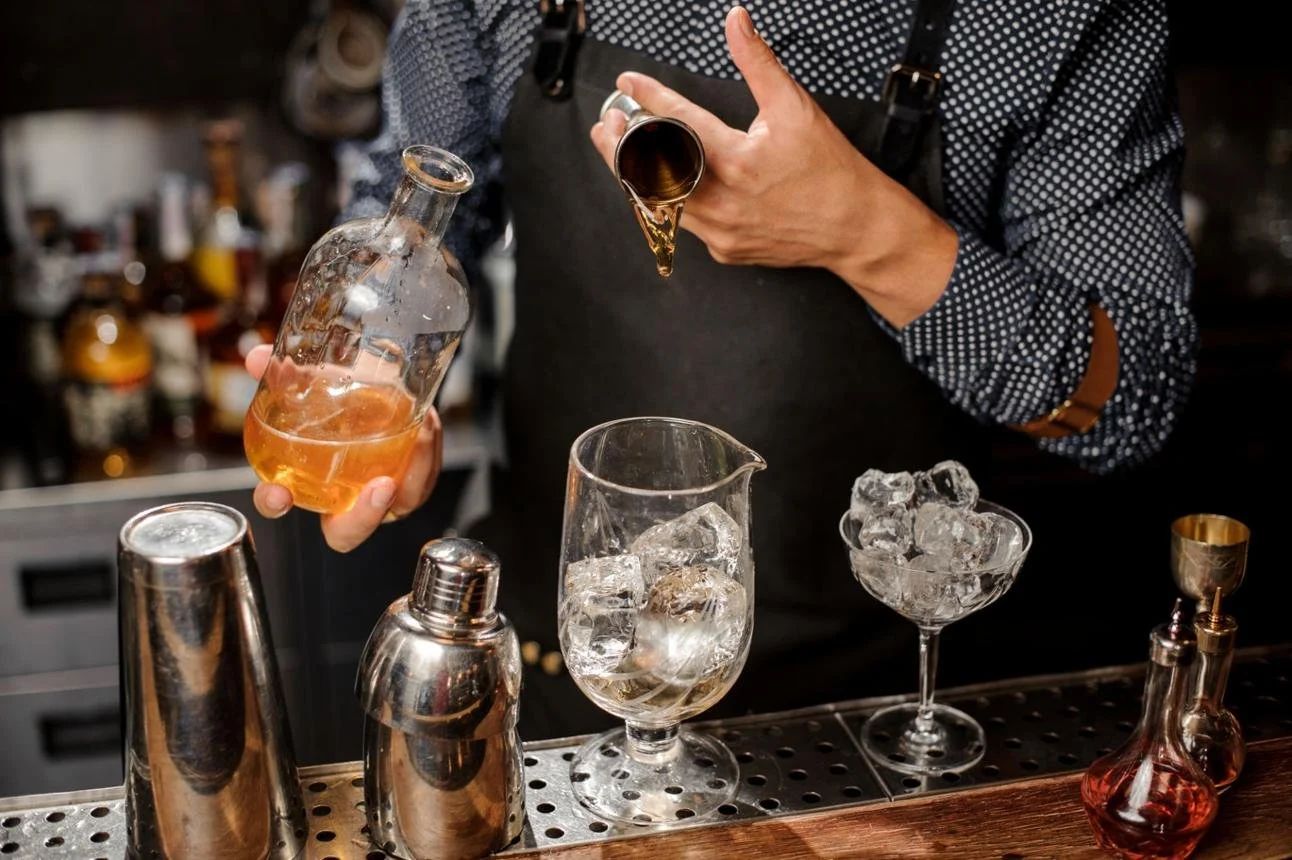
Sugar is often misunderstood as simply making a drink sweet. In reality, it is a structural component that binds flavors and enhances texture.
Forms of Sugar:
Simple Syrup: Clean and neutral
Rich Syrup: Adds viscosity and weight
Alternative Sweeteners: Honey, agave, maple for added complexity
Different sugars affect not only sweetness but also mouthfeel and flavor integration.
A well-balanced cocktail does not taste sweet. It tastes complete.
Alcohol: Structure and Backbone
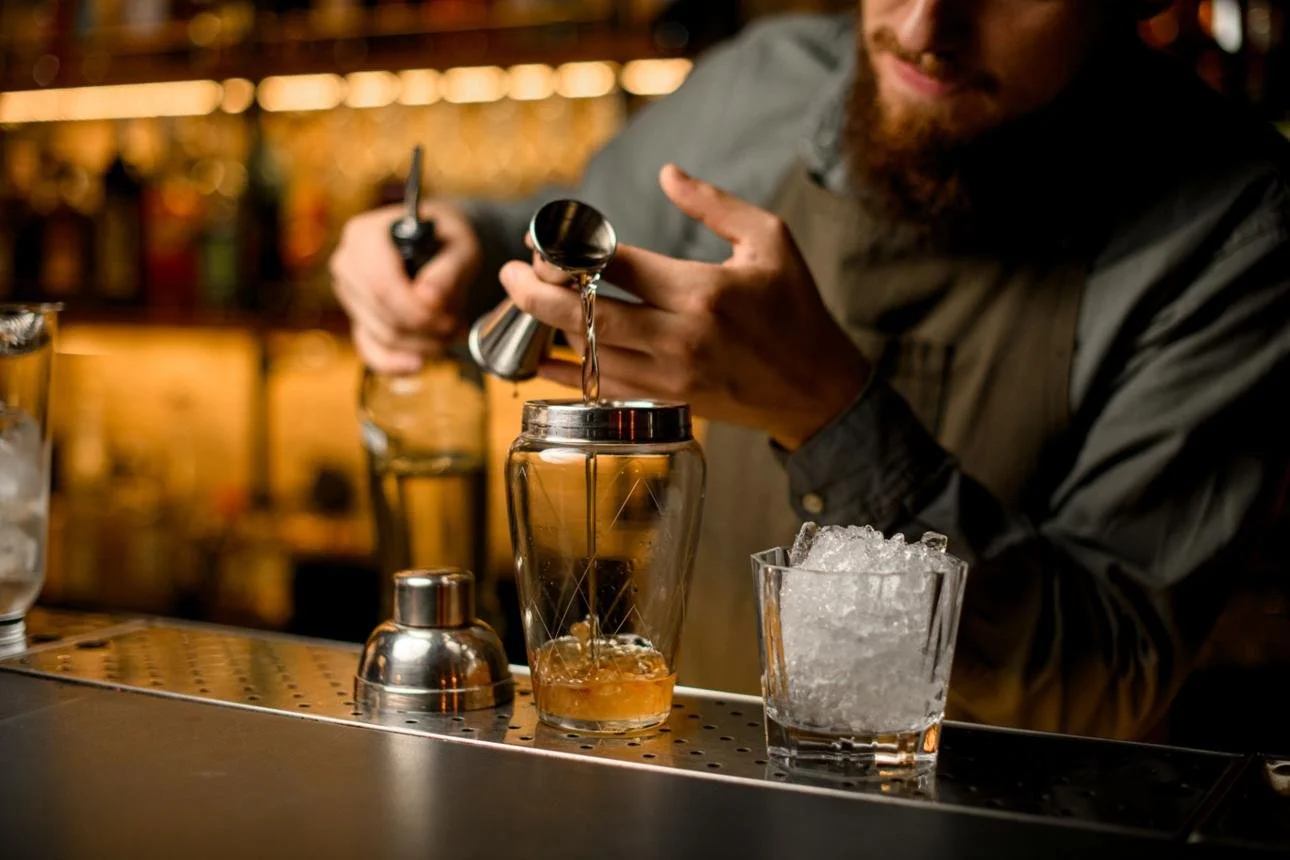
Alcohol provides the framework upon which the cocktail is built.
It contributes:
Weight and Body
Aromatic Complexity
Perceived Warmth and Length
Higher-proof spirits increase intensity, while lower-proof components soften the overall structure. The key is to ensure that alcohol integrates seamlessly with acid and sugar rather than overpowering them.
The Balance Equation in Practice
While there is no single formula that defines all cocktails, many sour-style drinks follow a general structure:
2 parts spirit
1 part acid
0.75 to 1 part sugar
This serves as a starting point, not a rule. Adjustments must be made based on:
The intensity of the spirit
The sharpness of the acid
The richness of the sweetener
True mastery lies in calibration, not memorization.
Perception vs. Reality
Balance is not purely chemical. It is perceptual.
Several factors influence how acid, sugar, and alcohol are experienced:
Temperature: Colder drinks suppress sweetness and highlight acidity
Dilution: Softens alcohol and integrates flavors
Aromatics: Influence perceived sweetness and brightness
A cocktail that is technically balanced at room temperature may taste completely different when chilled and diluted.
This is why final tasting after dilution is critical.
Advanced Techniques for Structural Precision
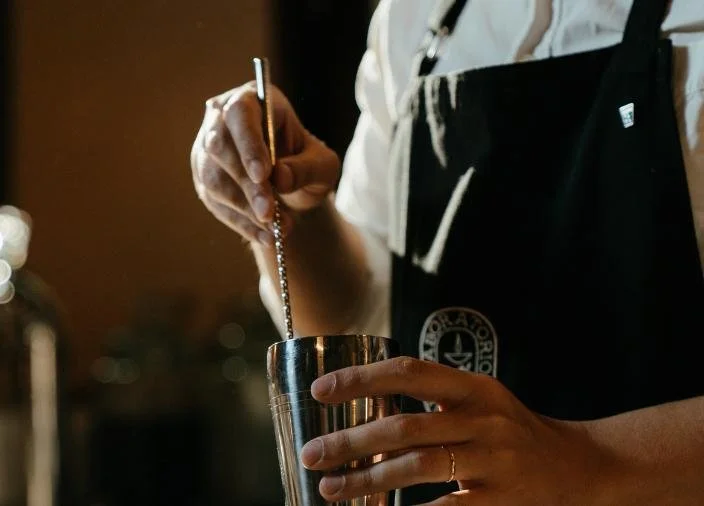
At the highest level, bartenders move beyond basic ratios and into controlled manipulation of each element.
Techniques Include:
Acid Adjustment: Standardizing citrus using measured acid solutions
Brix Measurement: Controlling sugar concentration for consistency
Split Sweetening: Combining multiple sugars for layered texture
Proof Adjustment: Blending spirits to fine-tune alcohol intensity
These methods allow for repeatability and precision, essential in high-end cocktail programs.
Common Imbalances and Corrections
Understanding imbalance is key to mastering balance.
Too Sour: Increase sugar or reduce acid
Too Sweet: Add acid or increase dilution
Too Hot (Alcoholic): Increase dilution or add sweetness
Flat and Dull: Introduce acidity or aromatic lift
Corrections should be made incrementally. Small adjustments can produce significant changes.
Evolution in the Glass
As a cocktail sits, dilution increases and temperature rises, altering the balance.
A well-constructed drink accounts for this evolution, ensuring that it remains enjoyable from the first sip to the last.
Designing for evolution means slightly over-structuring at the start, allowing the cocktail to settle into perfect balance as it opens.
Conclusion: Balance as the Foundation of Excellence
Acid, sugar, and alcohol are not just ingredients. They are the language of cocktail construction.
Mastering their interaction allows bartenders to:
Build consistent, repeatable drinks
Adapt recipes across different ingredients
Create new cocktails with confidence and precision
For the Mixology Elite, structural balance is not a guideline. It is the foundation upon which all great cocktails are built.
